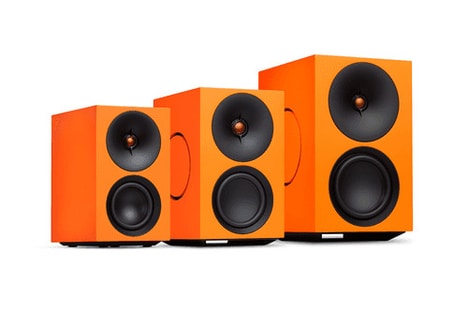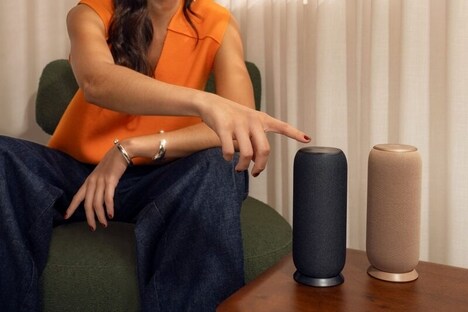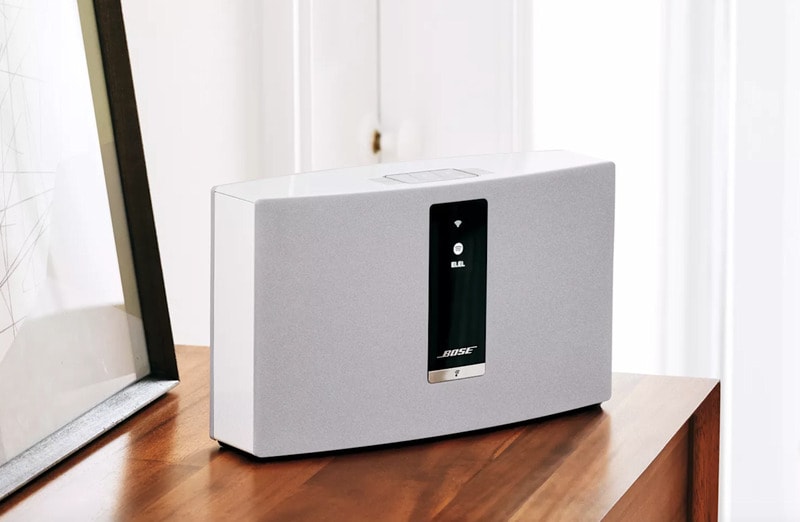
Bose SoundTouch speakers are transitioning away from proprietary cloud dependence as Bose moves to open-source key software components. The company confirmed it will release the SoundTouch API and related documentation before shutting down its cloud services in 2026. SoundTouch products, first introduced in 2013, relied on Bose’s servers for app-based control, streaming integrations, and multi-room functionality. When cloud support ends, those services will no longer function through official channels.
Bose stated that core playback will remain available through local and device-based options such as Bluetooth, AirPlay, and physical inputs. By making the software interfaces public, the company aims to give developers and owners the ability to build alternative control systems or restore features independently. Bose also extended the SoundTouch support timeline to allow users additional time before the cloud shutdown takes effect.
Image Credit: Bose
What Makes This Trend Stand Out
- Open-source Audio Systems
- The shift towards open-source audio system software allows developers to innovate independently, potentially leading to customized and advanced user functionalities.
- Decentralized Multimedia Control
- Decentralizing control from the cloud to local systems can enable more personalized, secure, and resilient audio system management.
- User-led Software Development
- Empowering users to develop alternative software solutions encourages a community-driven innovation culture that could significantly enhance product life cycles.
Sectors Adopting This
- Consumer Electronics
- Adopting open-source practices in consumer electronics could redefine how products evolve and adapt post-launch.
- Software Development
- The release of product-specific APIs to the public domain creates new opportunities for software developers to expand product ecosystems.
- Smart Home Technology
- Integrating open-source capabilities into smart home devices could lead to more versatile, user-friendly home environments.