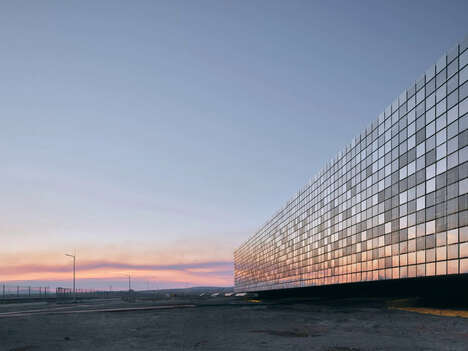
Designing and building a completely self-sufficient building is no mean feat, but that is exactly the achievement that the Solar Training Center by HHS Architekten can now safely lay claim to.
Designed with a revolutionary photovoltaic wall facade, the Solar Training Center by HHS Architekten can effectively operate completely off-grid thanks to its seamless net-zero architecture and eco-technology.
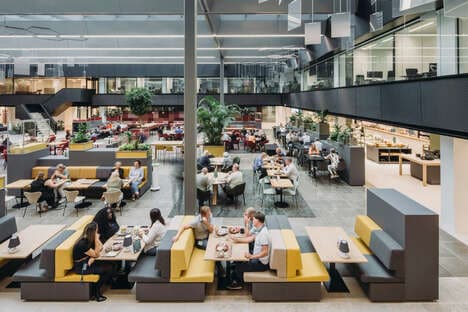
At the heart of the Solar Training Center by HHS Architekten, however, is its role as a one-of-a-kind training facility for the bright solar-technology minds of tomorrow. With enough space to accommodate up to 16,000 students a year, the facility offers an unrivaled opportunity for upcoming professionals to learn and experience first-hand how eco-integration is the future of business. More than anything else, it is one building that definitely puts its money where its mouth is.
What's Driving This Trend
- Self-sufficient Buildings
- Designing and building completely self-sufficient buildings is a disruptive innovation opportunity for architects and construction companies.
- Net-zero Architecture
- Developing net-zero architecture with eco-technology presents a disruptive innovation opportunity for designers and sustainable building companies.
- Eco-integration
- Promoting eco-integration in business operations offers a disruptive innovation opportunity for companies to lead in sustainable practices.
Who This Affects Most
- Architecture
- The architecture industry can embrace the disruptive innovation opportunity of designing self-sufficient and net-zero buildings.
- Construction
- The construction industry can capitalize on the disruptive innovation opportunity of constructing self-sufficient and eco-integrated buildings.
- Education
- The education industry can leverage the disruptive innovation opportunity of training professionals in sustainable technologies and practices.