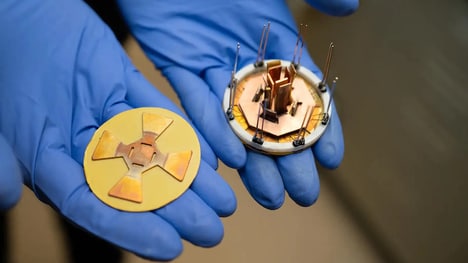
Soil-powered sensors are gaining attention as researchers explore sustainable alternatives to battery-dependent IoT systems used in agriculture and environmental monitoring. A Northwestern University-led team developed a microbial fuel cell that captures energy from naturally occurring soil microbes to generate electricity for underground sensors. The system can operate in both dry and flooded conditions while powering tools that measure soil moisture, detect touch and wirelessly transmit data using low-energy radio signals. Designed with accessible materials and a compact structure, the fuel cell offers a long-lasting energy source for decentralized sensor networks.
The development reflects growing demand for low-maintenance, environmentally conscious computing systems that can function in remote outdoor environments. Battery-free sensors could help agricultural businesses reduce maintenance costs while expanding precision farming operations across larger areas. The technology may also influence future biodegradable electronics and low-power IoT infrastructure as industries seek scalable alternatives to lithium-based energy systems.
Image Credit: Volodymyr TVERDOKHLIB/Shutterstock
Key Themes Behind This Trend
- Microbial Energy Harvesting
- Energy generation from soil microbes creates a persistent, maintenance-free power source for distributed sensors that challenges reliance on replaceable batteries.
- Battery-free Iot
- Eliminating onboard batteries enables long-lived, hard-to-reach devices that redefine deployment density and lifecycle economics for large-scale sensor networks.
- Biodegradable Electronics Integration
- Use of compostable materials in sensor construction offers a pathway to reduce electronic waste and align IoT hardware lifecycles with natural decomposition processes.
Where This Applies
- Agriculture
- Soil-powered sensing supports precision farming through pervasive, low-maintenance monitoring that can transform input optimization and field-level decision models.
- Environmental Monitoring
- Autonomous, batteryless sensors enable continuous, distributed measurement in remote ecosystems, improving data granularity for habitat and pollution assessment.
- Electronics Manufacturing
- Designing for energy harvesting and biodegradable components creates opportunities to reconfigure supply chains and product lifecycles around sustainable, low-power hardware platforms.