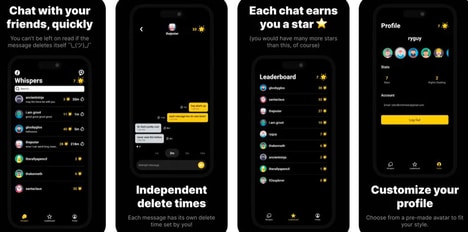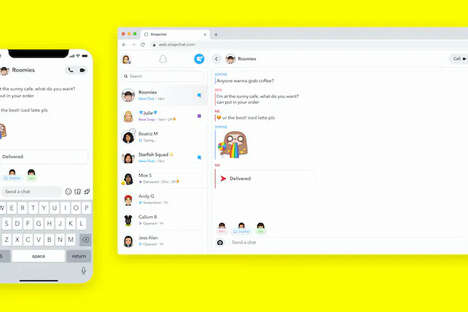
Snapchat is an app that protects smartphone users by allowing them to destroy the images after they've been sent.
Snapchat works by sending images with a built-in timer, set for up to ten seconds. After the designated time is finished, the scandalizing photo will self-destruct, never to show its face on a network again. Screenshot protection, another service that Snapchat affords to its users, is the second reason why this add-on is so valuable. When the app senses that it is being recorded in any way, a message will immediately be dispatched to the sender.
With many worried about their online presence, especially with the permanence of web content, the app is a sigh of relief for those looking to spice up their smartphone interactions. Cutting-edge, and definitely in line with common web anxieties, this is an ingenious way to protect smartphone users.
What's Driving This Trend
- Privacy-protecting Apps
- Apps that prioritize data protection by allowing users to control who has access to their personal information.
- Self-destructing Content
- Services that allow users to share content that automatically disappears after a designated period of time.
- Screenshot Protection
- Add-ons that notify users if their content is being recorded or captured in any way, protecting against unwanted sharing or distribution.
Who This Affects Most
- Social Media
- Social media platforms could leverage privacy-protecting features to compete for users who prioritize data security over wider audiences.
- Messaging Apps
- Messaging app developers could create self-destructing content and screenshot protection capabilities to offer users increased data privacy and security during conversations.
- E-commerce
- E-commerce platforms could incorporate privacy-protecting features, such as self-destructing content, to assure users that their personal information won't be shared beyond a set time frame.