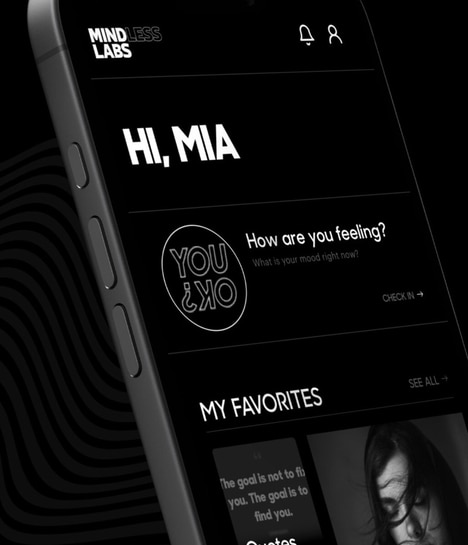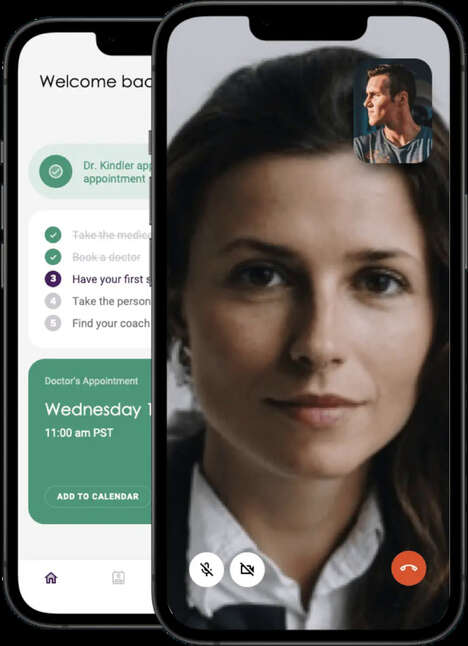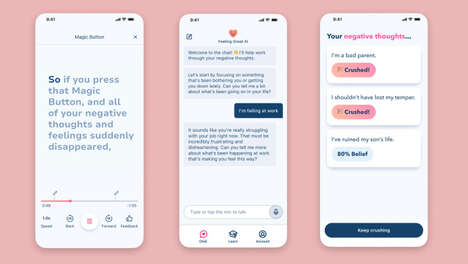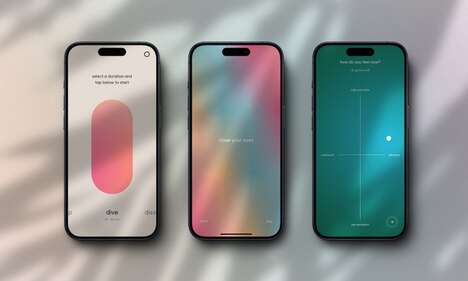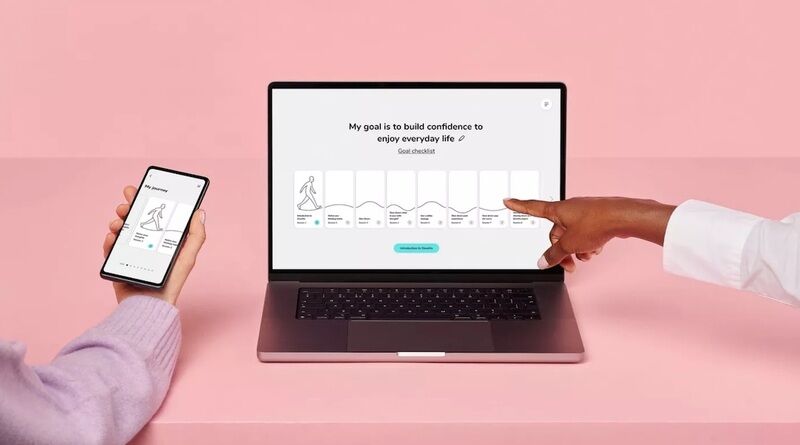
UK-based Kings College London, the NHS, and design company Special Projects join forces to create the new SloMo app. The web interface is developed to help patients that are dealing with psychosis better manage the ongoing thoughts in their minds. It's meant to help with understanding their thoughts and feelings during therapy to better express themselves.
This offers patients alternative therapy to prescribed drugs. It is designed to help keep them calm without relying on medicine to build upon cognitive behavioral therapy. It is meant to be used during guided therapy sessions -- there, patients can divide their thoughts into two different types of bubbles. The grey bubbles represent negative emotions and the iridescent bubbles are happier thoughts.
Image Credit: Special Projects
What Makes This Trend Stand Out
- Psychosis Management Apps
- The development of SloMo app and similar apps for managing psychosis offer innovative alternative therapeutic options to prescribed drugs.
- Cognitive Behavioral Therapy Apps
- The SloMo app offers a disruptive innovation opportunity for app developers to create easy-to-use and accessible interactive cognitive behavioral therapy apps for mental health patients.
- Web-based Therapy Tools
- The SloMo app's web-based user interface and its use as a guided therapy tool suggest a trend towards more accessible and affordable online therapy tools for patients dealing with mental health issues.
Sectors Adopting This
- Healthcare
- The SloMo app and similar apps offer disruptive innovation opportunities for healthcare professionals to create digital mental health solutions for patients dealing with psychosis and other mental health issues.
- Technology
- The development of web-based therapy tools like the SloMo app suggests a trend towards digital innovation, which could disrupt traditional mental health care practices with new and innovative technologies.
- Design
- Design companies like Special Projects have the disruptive innovation opportunities to collaborate with healthcare professionals and develop visually appealing and user-friendly apps for people with mental health issues.