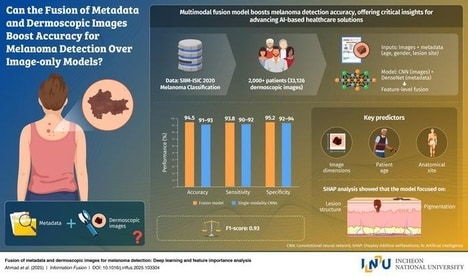
The Skin of Color Society is a professional organization dedicated to advancing dermatology for individuals with darker skin tones. Recently, the company successfully held its 22nd annual scientific symposium in Denver, Colorado. The event was titled 'Championing Evidence-Based Dermatology and Collaboration.'
The Skin of Color Society's program was "held in conjunction with the American Academy of Dermatology (AAD) Annual Meeting." The event featured a keynote address by former U.S. Surgeon General Dr. Regina Benjamin. The topics ranged from artificial intelligence in practice to psychiatric comorbidities in alopecia, oral abstract sessions, iPoster displays, and the announcement of multiple research grants and awards.
By highlighting evidence-based research specific to skin of color, the Skin of Color Society helps ensure that future treatments and diagnostic tools, including AI applications and imaging technologies like short-wave infrared for detecting hair regrowth, are validated on diverse populations.
Image Credit: The Skin of Color Society
What's Driving This Trend
- AI-powered Dermatology for Skin of Color
- Emerging AI models trained on diverse skin tones could enable diagnostic accuracy previously unattainable for darker skin, transforming clinical decision support.
- Imaging Technologies in Hair Regrowth Detection
- Short-Wave Infrared And Advanced Imaging Modalities reveal sub-surface hair follicle activity in darker hair and skin, enabling objective monitoring of regrowth outcomes.
- Evidence-based Inclusive Clinical Research
- Growing Emphasis On Research Validated Across Skin Tones can reshape product development and regulatory expectations by embedding inclusivity into clinical datasets.
Who This Affects Most
- Medical Education and Professional Societies
- Societies Curating Symposiums And Training Programs may become central hubs for credentialing clinicians on inclusive diagnostic protocols, altering continuing education models.
- Dermatology Device Manufacturers
- Device Makers Developing Imaging Hardware And AI-Integrated Tools Tailored For Diverse Complexions could introduce new diagnostic categories and recurring revenue streams.
- Pharmaceutical and Biotech Research
- Drug Developers Incorporating Diverse-Population Endpoints In Trials are positioned to change therapeutic discovery paths and patient stratification approaches.