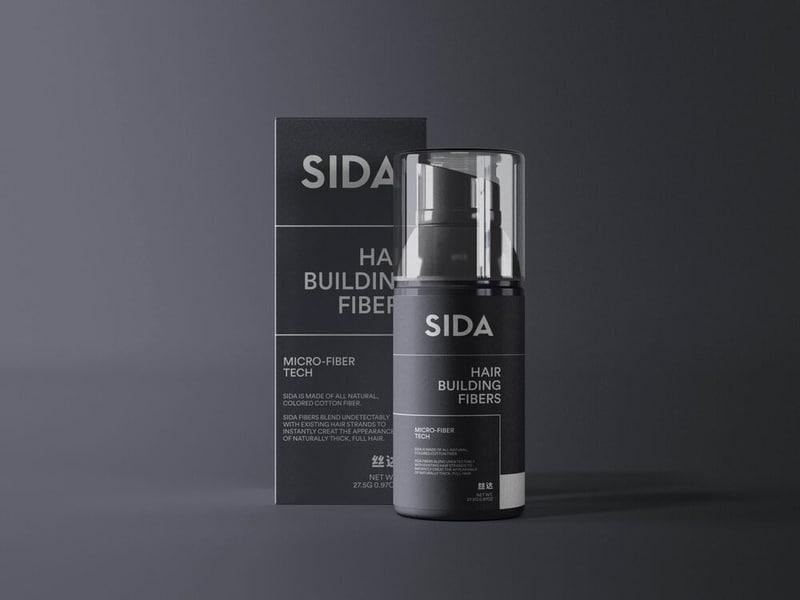
SIDA is a men's haircare brand presented by BLANKO Design Studio, introduced as a lineup to address hair loss prevention, scalp nursing and routine maintenance, featuring packaging inspired by the periodic table. The identity pairs clinical visual cues with a simplified, orderly layout designed to communicate clarity and formulaic quality.
Design work used fine lines to divide layouts into functional zones, placing product information and usage guidance in a neat, modular grid that reinforces a refreshing, organized user experience. The visual system aimed to make technical formulations feel approachable and even playful through restrained typographic elements and icon-like table motifs. For consumers, the branding clarifies product purpose and builds trust by signaling scientific rigor and routine simplicity, aligning with a broader trend toward purpose-driven, formula-forward men’s grooming experiences.
Image Credit: BLANKO Design Studio
Why This Trend Is Growing
- Formula-forward Grooming
- Emphasizing ingredient transparency and clinically framed benefits creates room for products that prioritize measurable results over lifestyle claims in men's care.
- Scientific-design Packaging
- Packaging that borrows lab-inspired cues and periodic-table motifs can shift perceptions of efficacy and authenticity across personal care assortments.
- Modular Information Layouts
- Grid-based, zone-divided labeling enables scalable communication systems that make complex regimen guidance accessible and consistent across product families.
Industries Being Reshaped
- Men's Grooming
- A market focus on routine simplicity and scalp health opens space for brands that blend clinical credibility with everyday usability for male consumers.
- Cosmetics Packaging
- Designs that prioritize informational clarity and modularity present avenues for packaging-as-communication models that enhance perceived formulation quality.
- Brand Strategy Agencies
- Agencies specializing in identity systems can leverage science-led visual languages to create differentiated, trust-building narratives for health-adjacent product lines.