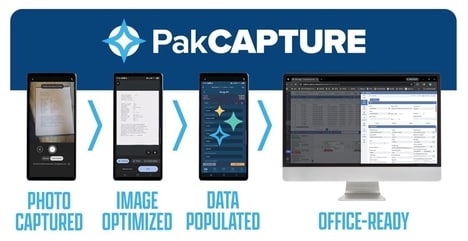
DHL Express introduced photo-based customs descriptions for U.S. shippers, using AI to turn a snapshot into a structured item description in seconds. The company says the capability helps businesses prepare international shipments with cleaner paperwork and fewer customs delays, and it works without a DHL Express account.
Customers can take a photo with a smartphone or connected device, then review or edit the AI-generated description before sending the shipment. That gives smaller businesses a faster way to handle customs wording without relying on a specialist for every package.
DHL Express shows how photo-based customs descriptions can integrate customs prep into the booking flow rather than treating it as a separate task, with the feature live in the U.S. and nine other markets in the Americas.
Image Credit: AI-generated
Why This Trend Is Growing
- Photo-based Documentation
- Visual capture is becoming a streamlined input layer for logistics paperwork, creating opportunities for AI systems that translate images into compliant business data.
- Embedded Customs Automation
- Customs preparation is moving directly into shipping workflows, opening space for platforms that reduce administrative friction before goods reach border checkpoints.
- Account-free Logistics Tools
- Low-barrier digital shipping features are expanding access for small businesses, suggesting new models for pay-as-needed logistics support without complex onboarding.
Industries Being Reshaped
- International Shipping
- AI-assisted documentation can make cross-border fulfillment more predictable by improving the quality and speed of shipment declarations.
- Small Business Ecommerce
- Independent merchants gain operational leverage from automated customs descriptions that simplify international selling without requiring dedicated trade expertise.
- Trade Compliance Software
- Image-to-text intelligence introduces a new compliance interface where product recognition, tariff data, and shipment rules can converge in real time.