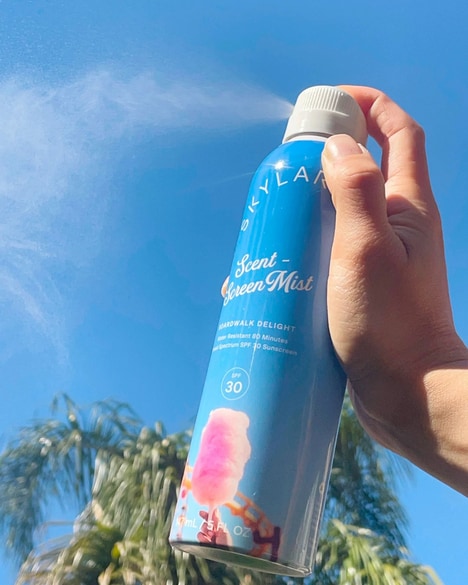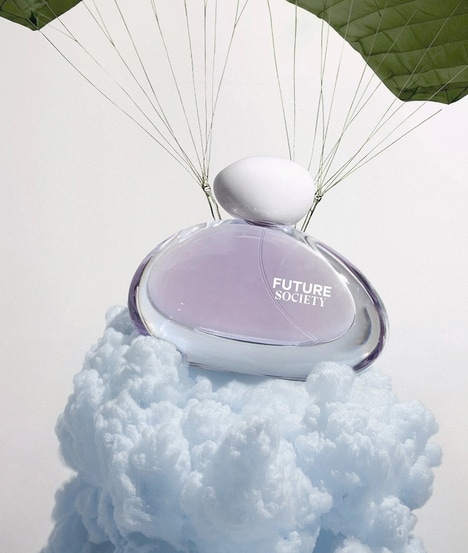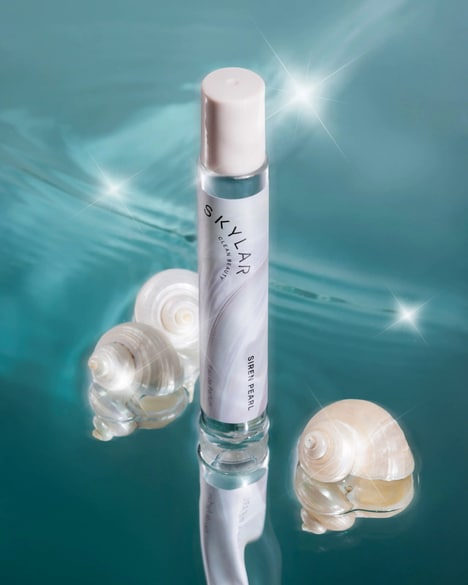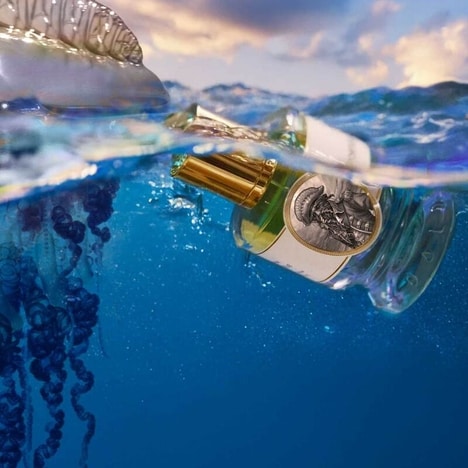
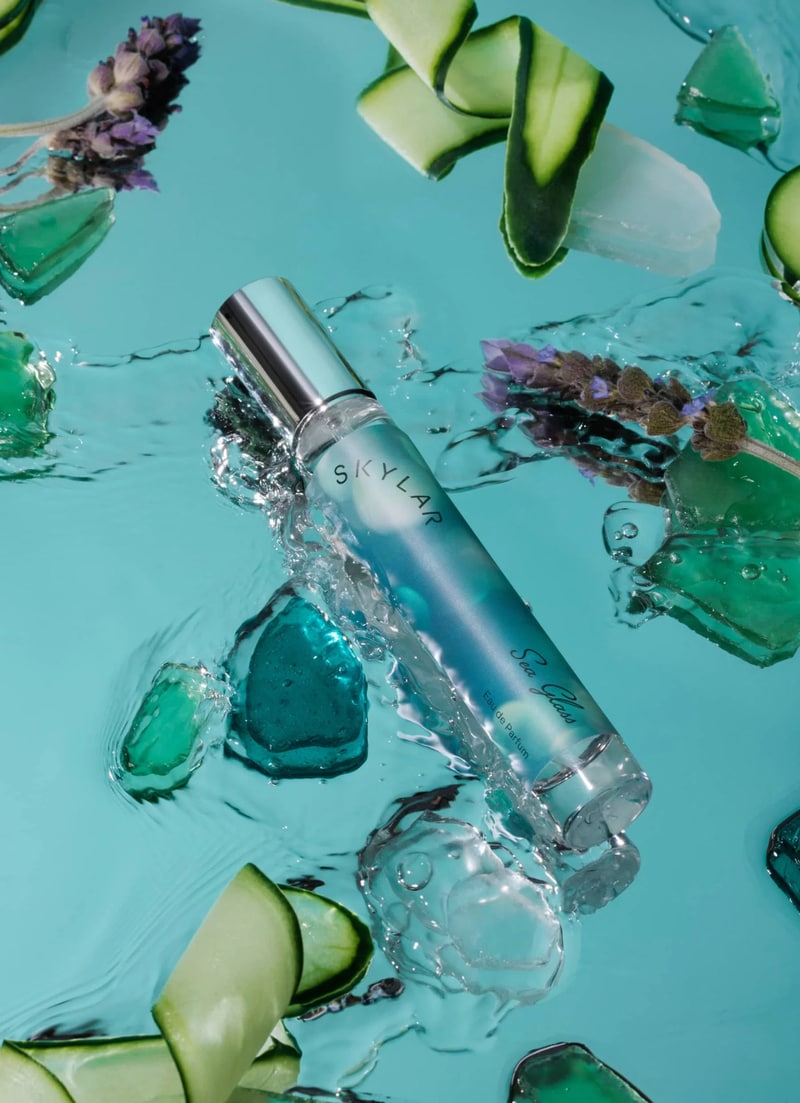
The sweltering heat of summer calls for refreshing scents, and Sea Glass by Skylar is a limited-edition, small-batch release that promises to make skin smell like the ocean breeze itself. Like other subscriber-exclusive Scent Club eau de parfums, Sea Glass explores unexpected note combinations and will never be mass-produced.
Perfect for delivering refreshment with a spritz, Sea Glass opens with notes of juicy, crisp green apple, cooling cucumber water, and aquozone, a molecule engineered to mimic the airy, clean essence of aquatic environments. The heart of Sea Glass unfolds into something quietly wild, where sea lavender and coastal grass sway in a salty breeze alongside the soft bloom of lotus. It settles into a warm, grounding finish of sun-bleached driftwood and upcycled cedarwood, and Skylar likens the overall scent story to “collecting sea glass at sunrise.”
Key Themes Behind This Trend
- Limited-edition Subscriber-exclusive Fragrances
- Scarcity-driven, small-batch fragrance drops create high-margin, loyalty-focused product arcs that reconfigure how brands monetize scent.
- Marine-inspired Synthetic Aromatics
- Engineered molecules like aquozone enable consistent, lab-produced seawater and coastal air accords that shift reliance away from rare natural extracts.
- Upcycled Coastal Botanicals and Woods
- Incorporation of upcycled cedarwood and driftwood-adjacent botanicals signals a move toward circular sourcing and traceable ingredient narratives in perfumery.
Where This Applies
- Luxury Personal Care
- The luxury fragrance sector faces product-differentiation pressures as experiential, location-evocative scents become primary purchase drivers.
- Subscription Commerce
- Subscriber-only scent clubs indicate recurring-revenue models that prioritize exclusivity and curated assortment over mass distribution.
- Marine Biotechnology
- Biotech companies producing scent-mimicking molecules and sustainable marine-derived actives present alternatives to ecologically fragile ingredient harvests.