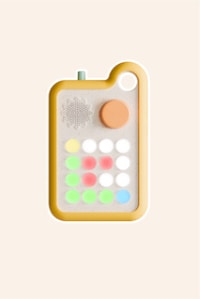
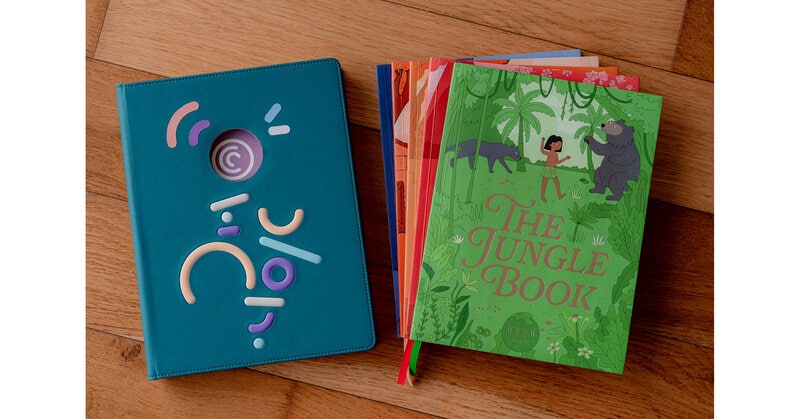
Cali is expanding its children's audiobooks with 'Cali Reader,' a screen-free device that lets kids hear a story by pressing the pages of a real book. Designed for emerging readers, it keeps independent play connected to the familiar rhythm of holding, turning and following along on paper.
A voice-note option lets loved ones record up to 60 seconds on each page, adding a familiar human layer to the same book during solo reading. An early pilot with 85 first-graders found greater gains than a control group, suggesting the device is aimed at practice and confidence building, not just entertainment.
For shoppers, this offers a middle ground between an app and a print book for kids who want to practice reading without another screen. In a crowded digital learning category, Cali Reader shifts expectations toward tactile, multisensory play that still starts with a physical storybook.
Image Credit: Cali
What Makes This Trend Stand Out
- Screen-free Learning
- Tactile audio devices create room for education brands to blend digital feedback with analog play in ways that reduce screen reliance.
- Voice-personalized Reading
- Recorded family narration adds emotional context to literacy tools, opening new value around connection, comfort and repeat engagement.
- Multisensory Literacy
- Page-activated sound experiences position physical books as interactive learning platforms that support confidence building beyond passive entertainment.
Sectors Adopting This
- Educational Technology
- Hybrid hardware and print formats expand the edtech market with tools that deliver measurable practice without app-based interfaces.
- Children's Publishing
- Interactive audio layers give publishers new pathways to refresh traditional storybooks with connected, developmental features.
- Toy and Game
- Screen-free storytelling devices sit between learning toys and books, creating differentiated play experiences for families prioritizing independent engagement.