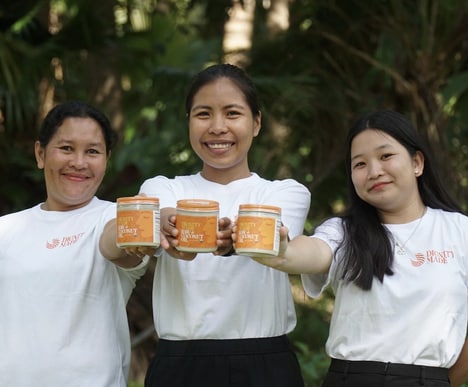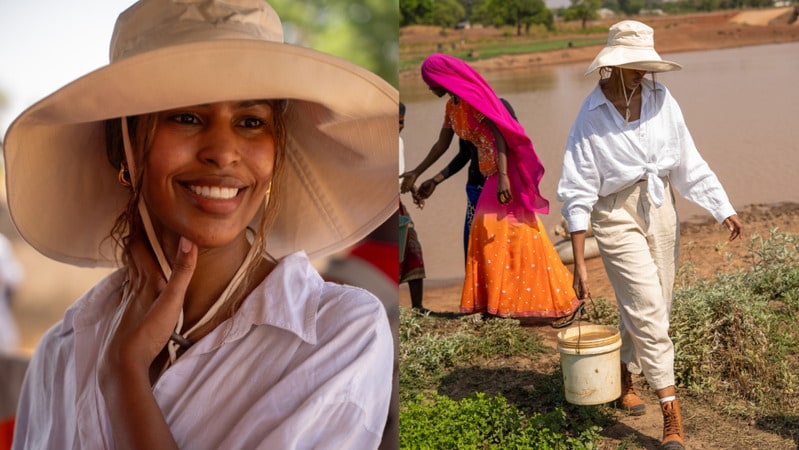
Sabrina Elba, cofounder of S’Able Labs, is calling for greater transparency in the cosmetics supply chain and an end to child labor after visiting the Tamale region of Ghana with humanitarian organization World Vision. As part of her ongoing commitment to ethical sourcing, Elba met with local cooperatives and women producers of natural ingredients like shea butter, highlighting the power of fair wages and community empowerment in disrupting exploitative labor practices.
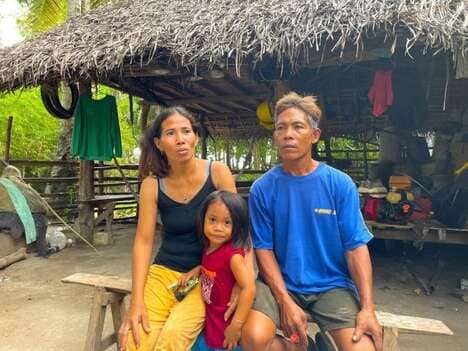
Ghana, a major global supplier of cosmetic ingredients and the second-largest cocoa producer in the world, faces systemic challenges -- an estimated 2.1 million children work in cocoa farms across Ghana and Côte d’Ivoire. Elba witnessed firsthand how structured cooperatives enable women to earn stable incomes and send their children to school, breaking cycles of poverty and child labor.
Through S’Able Labs, which sources botanicals like qasil, black seed, okra, and baobab oil directly from African farmers, Elba advocates for complete supply chain visibility and fair compensation, framing ethical sourcing as essential to both human rights and clean beauty.
Image Credit: World Vision
What's Driving This Trend
- Ethical Sourcing Transparency
- Demand for transparent supply chains is rising, driving beauty brands to ensure ethically sourced ingredients and fair compensation.
- Fair Wage Advocacy
- Highlighting fair wages as a crucial step, brands are empowering communities by disrupting exploitative labor practices in the cosmetics industry.
- Clean Beauty Movement
- The integration of ethically sourced botanicals is reshaping the clean beauty landscape, emphasizing environmental and social responsibility.
Who This Affects Most
- Cosmetics Industry
- The cosmetics industry is experiencing a shift towards ethical practices, with a focus on transparent sourcing and sustainable supply chains.
- Natural Ingredients Market
- The growing popularity of natural ingredients boosts demand for ethically sourced materials, fostering social change in ingredient-producing regions.
- Fair Trade Industry
- The trajectory towards fair trade practices is increasingly seen as a requisite for ethical business operations, particularly in industries reliant on global supply chains.