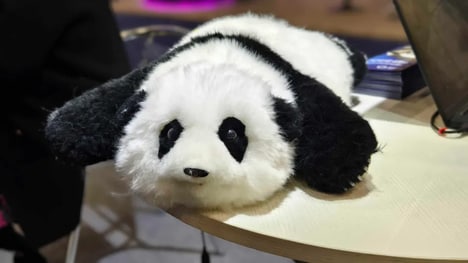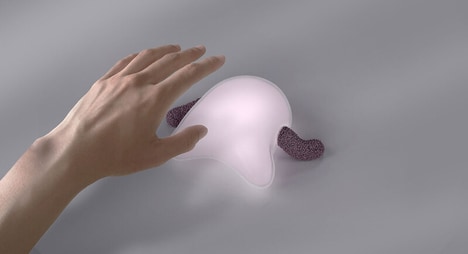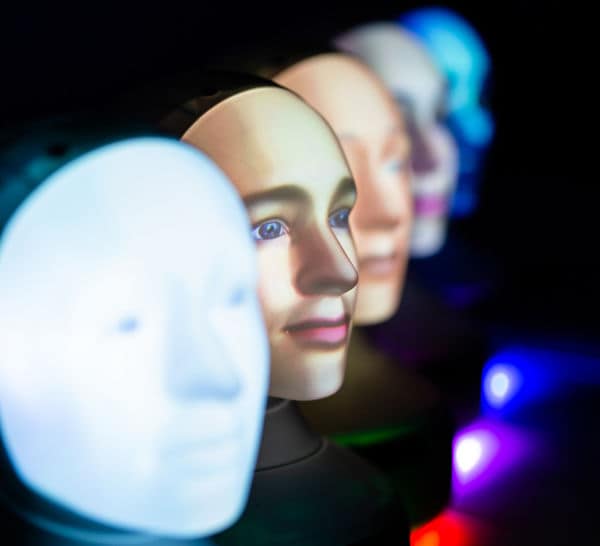
The Human-Robot Collaboration and Companionship Lab at Cornell University has developed a robot skin that can shift textures to represent its feelings. The prototype of the emotive being is able to "get goosebumps or become spiky," for example. The project is inspired through observations of the relationship between humans and other species.
Taking into consideration visual and haptic cues, the engineers from Cornell develop a stretchy robot skin, whose texture changes when "air is pumped into elastic cavities embedded under the surface of the material." The construction is multi-layered, hence the innovative robot skin is able to generate multiple patterns to communicate its emotions with the person who is interacting with it. Due to the variance in frequency and amount of pressure, the robot can communicate a wide range of feelings.
Key Themes Behind This Trend
- Emotive Robot Skins
- The development of robot skins that can change textures to express emotions presents disruptive innovation opportunities in human-robot interaction and emotional communication technology.
- Multi-layered Construction
- The use of multi-layered construction in robot skins opens up disruptive innovation opportunities in material engineering and haptic technology.
- Visual and Haptic Cues
- The incorporation of visual and haptic cues in robot skins creates disruptive innovation opportunities in sensory feedback systems and user experience design.
Where This Applies
- Human-robot Interaction
- The development of emotive robot skins can revolutionize the field of human-robot interaction, leading to new applications and advancements in robotics.
- Emotional Communication Technology
- The advancement of robot skins that can express emotions opens up new possibilities in emotional communication technology, enhancing human-robot relationships and applications.
- Material Engineering
- The use of multi-layered construction in robot skins presents disruptive innovation opportunities in the field of material engineering, enabling advancements in flexible and adaptable materials.