Once again, technology trumps the need for surgeons to cut, this time with something called the Reversible Inhibition of Sperm Under Guidance (RISUG) procedure which acts as a foolproof method of male birth control.
Less damaging than the existing vasectomy strategy, this incredible discovery by Indian scientist Sujoy Guha allows men to bear the burden of contraception.
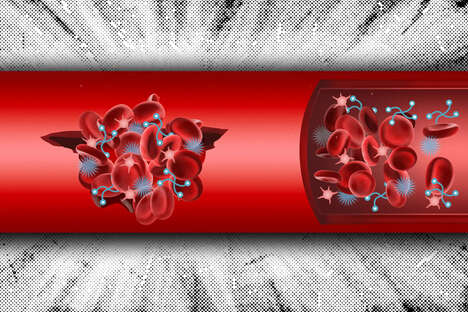
The RISUG procedure involves making a simple incision in the patient's scrotum and injecting both vas deferens with a polymer called SMA, which is styrene maleic anhydride. A lining of this compound is created, which still allows semen to travel through, but the chemical causes damage to the tails of the sperm, making it impossible for them to fertilize an egg. To have the RISUG procedure reversed, a second set of injections is all that is needed to remove the polymer lining.
What's Driving This Trend
- Reversible Male Birth Control
- The RISUG procedure offers a disruptive innovation opportunity to revolutionize the male contraceptive market.
- Non-invasive Contraceptive Procedures
- Advancements in non-invasive contraceptive procedures, like RISUG, present a disruptive innovation opportunity to transform the field of birth control.
- Polymer-based Birth Control Methods
- The use of polymers in birth control procedures, such as RISUG, opens up disruptive innovation opportunities for developing new contraceptive technologies.
Who This Affects Most
- Pharmaceutical
- The pharmaceutical industry can explore disruptive innovation opportunities in developing new male contraceptive options, like the RISUG procedure.
- Medical Device
- The medical device industry can leverage the RISUG procedure for disruptive innovation in creating non-invasive and reversible birth control solutions.
- Biotechnology
- The biotechnology sector can tap into disruptive innovation opportunities by utilizing polymers, like SMA, to enhance and expand the range of contraceptive methods.