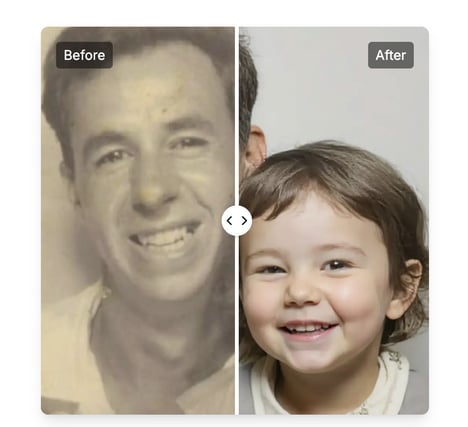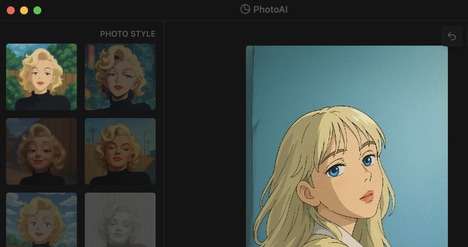
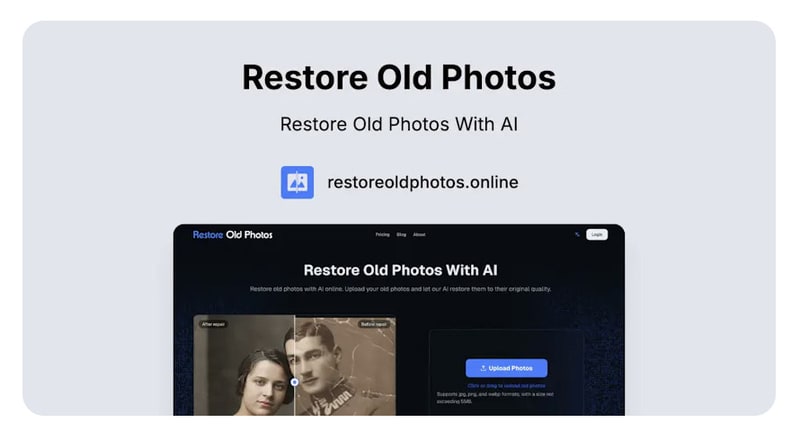
Old photographs often fade, get scratched, or lose clarity over time, making cherished memories harder to see -- Restore Old Photos is an AI-powered tool designed to repair and enhance damaged images, helping users preserve and revive important moments.
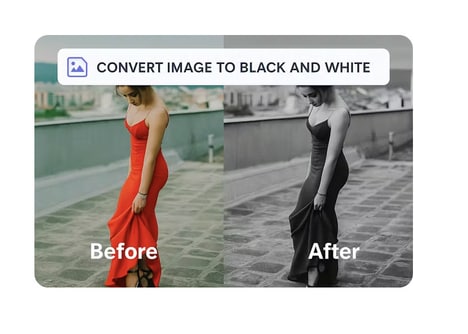
The platform can automatically detect and fix common issues such as scratches, blur, and degradation, improving the overall quality of old photos. It also includes colorization features that transform black-and-white images into more vivid, lifelike versions.
Users simply upload their photos and let the AI process them, making restoration fast and accessible without requiring editing skills. The goal is to make memory preservation simple for everyone. Restore Old Photos is ideal for anyone looking to repair family albums, historical images, or personal keepsakes with minimal effort.
Image Credit: Restore Old Photos
What's Driving This Trend
- AI Memory Preservation
- Automated restoration platforms are turning fragile family archives into accessible digital keepsakes, creating space for subscription-based personal history services and scalable heritage preservation tools.
- One-click Image Repair
- Consumer-friendly photo enhancement is reducing the need for professional editing skills, opening opportunities for embedded restoration features across cloud storage, messaging, and album-making platforms.
- Automated Photo Colorization
- Machine learning colorization is making historical and black-and-white imagery feel more immersive, supporting new formats for museums, genealogy products, and interactive storytelling experiences.
Who This Affects Most
- Digital Photography
- AI-powered enhancement is reshaping photo management by adding restoration, sharpening, and color recovery as built-in value layers for everyday image platforms.
- Genealogy Services
- Family history platforms can deepen emotional engagement through restored ancestral photos, enabling richer profiles, premium archive tools, and more personalized discovery experiences.
- Cultural Heritage
- Museums, libraries, and archives are gaining scalable ways to revive damaged visual collections, making preservation workflows faster and public access more visually compelling.