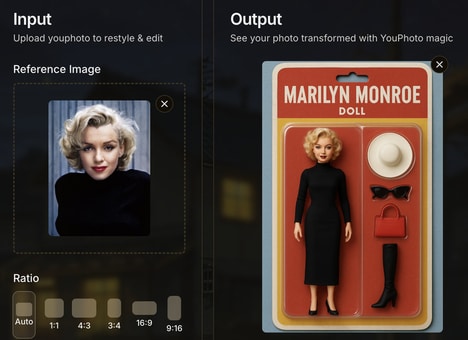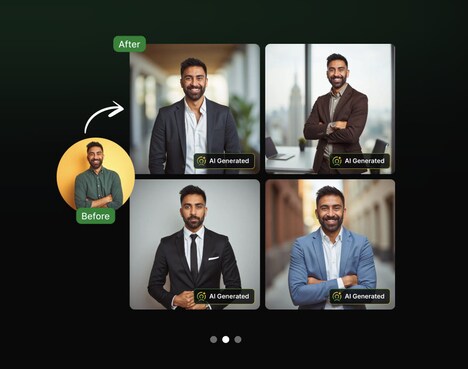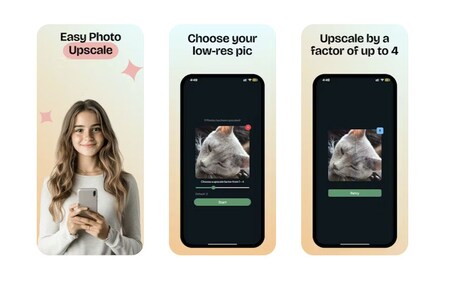
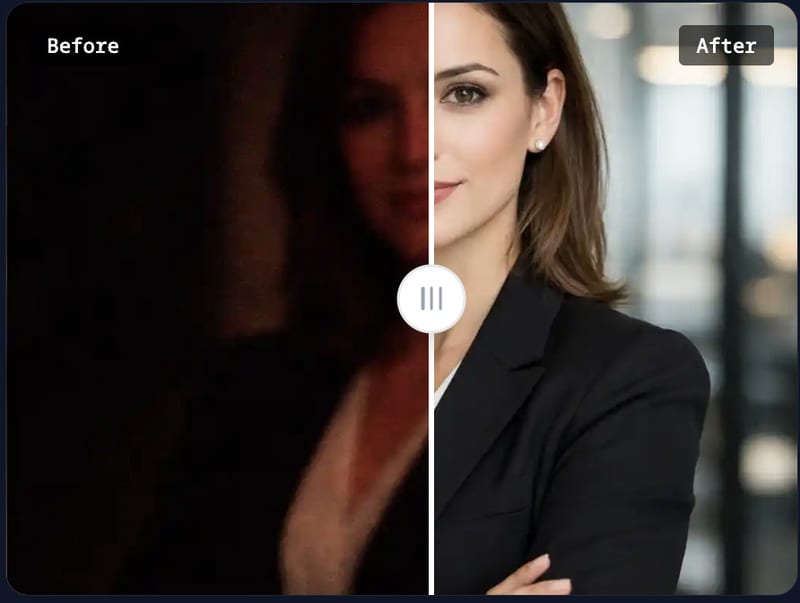
AI Photo Enhancer is a digital image processing tool that uses artificial intelligence to improve the quality of photographs. It is designed to enhance low-resolution, blurry, or degraded images by restoring detail, sharpening edges, and improving overall clarity.
The tool typically operates through automated processing, allowing users to upload an image and receive an enhanced version with minimal manual adjustment. It is used in contexts such as content creation, marketing, personal photo restoration, and media preparation where visual quality is important. By applying AI-based image reconstruction techniques, it attempts to infer and refine missing or unclear details in photos. AI Photo Enhancer reflects a broader category of generative and enhancement tools in computer vision that aim to simplify professional-level image editing. Its primary value lies in reducing the time and expertise required to improve visual assets for digital use.
Image Credit: Ai Photo Enhancer
What's Driving This Trend
- Automated Super-resolution
- Sharper upscaling models are enabling generation of high-detail images from low-resolution sources, creating opportunities to replace manual retouching pipelines.
- AI-driven Restoration
- Advanced reconstruction algorithms are reconstructing lost or damaged visual information in historical and personal photos, opening potential for scalable archival and restoration services.
- Real-time Edge Sharpening
- Low-latency sharpening models are processing imagery instantly on-device or in-stream, which can transform live media workflows by embedding professional-grade clarity into real-time outputs.
Who This Affects Most
- Marketing and Advertising
- Enhanced imagery that consistently lifts perceived production quality can shift creative budgets toward automated image pipelines that scale personalized visual campaigns.
- Heritage Preservation
- Restoration-grade AI tools that recover degraded archival photos offer new possibilities for large-scale digitization and public access initiatives.
- E-commerce Visual Merchandising
- Product images improved through AI enhancement are raising conversion expectations, prompting rethinking of catalog preparation and visual A/B testing standards.