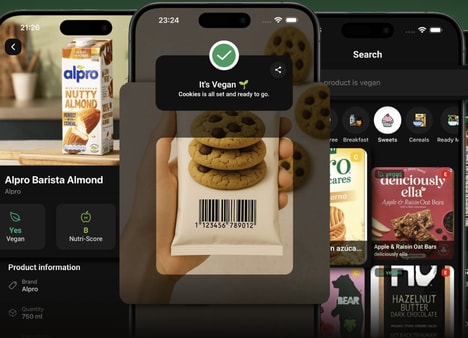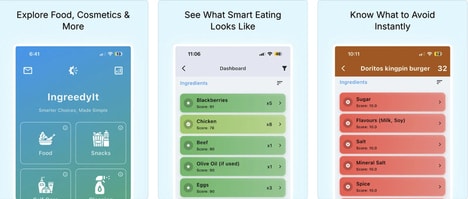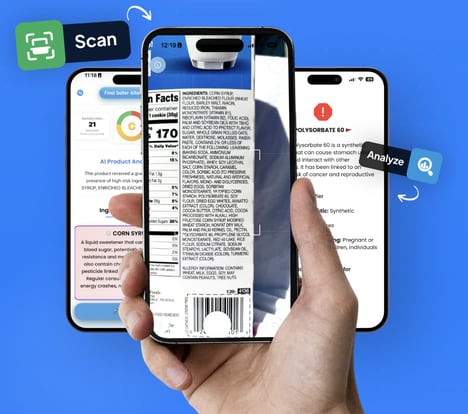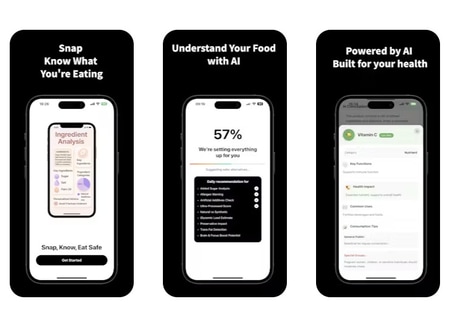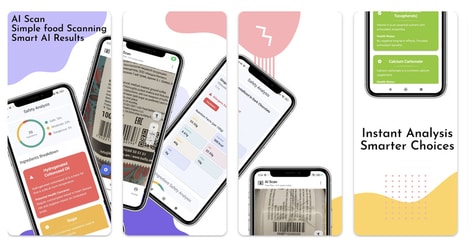
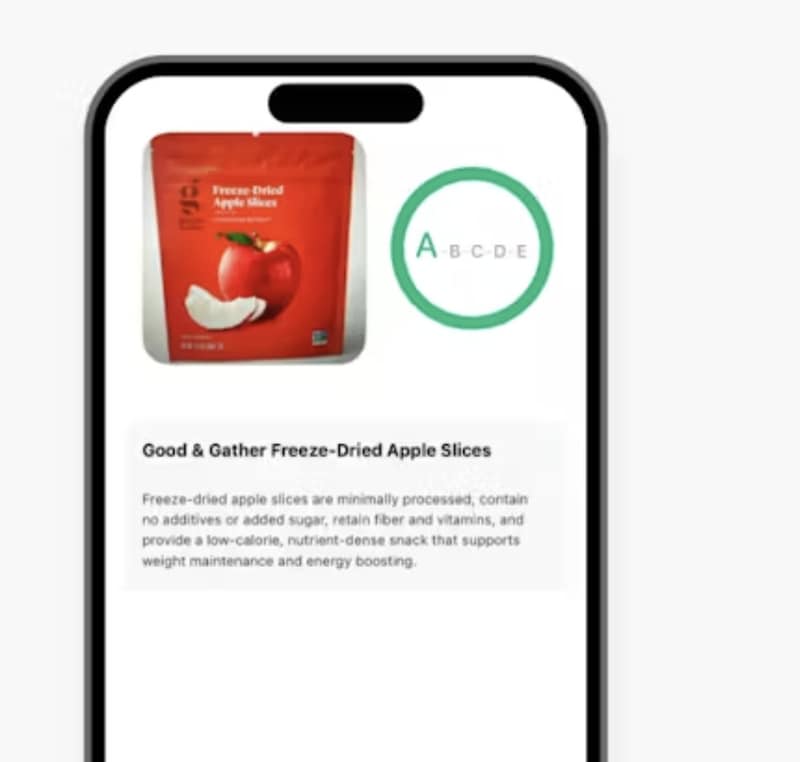
Ranky AI is a consumer-focused evaluation tool that rates food and cosmetic products based on their ingredient composition rather than marketing claims. It is designed to help users make more informed purchasing decisions by translating complex ingredient lists into simple A–E health and suitability scores.
The platform is structured to simplify product comparison, allowing users to quickly understand how different items align with their specific requirements. Scores are generated through ingredient-level analysis, helping highlight potential concerns or compatibility with certain lifestyles.
Ranky AI is positioned for consumers who want clearer, data-driven insights into everyday products. By focusing on formulation transparency and personalized scoring, it aims to reduce uncertainty in product selection and support more intentional purchasing decisions across food and personal care categories.
Image Credit: Ranky AI
Key Themes Behind This Trend
- Ingredient-level Transparency
- Greater visibility into formulation details creates room for systems that standardize and verify ingredient claims across supply chains, enabling trust signals that can reshape brand-consumer relationships.
- Personalized Health Scoring
- Individualized scoring models tied to user-specific allergies, lifestyles, or values introduce differentiated product discovery that could fragment mass-market offerings into tailored micro-segments.
- Algorithmic Product Comparison
- Automated, ingredient-based ranking engines facilitate dynamic competitive benchmarking and could drive pricing and formulation shifts as manufacturers optimize to algorithmic criteria.
Where This Applies
- Food Retail
- Retailers integrating ingredient-grade scoring into product listings can change shelf placement and private-label strategies by prioritizing formulations that score higher for consumer health and safety.
- Personal Care and Cosmetics
- Cosmetics brands adapting formulations to algorithmic health metrics may see reformulation and niche product emergence aimed at meeting data-driven consumer trust standards.
- Health Tech and Wellness Platforms
- Wellness apps that incorporate ingredient-based product scores can expand beyond education to become intermediaries shaping consumer choices and influencing manufacturer product roadmaps.