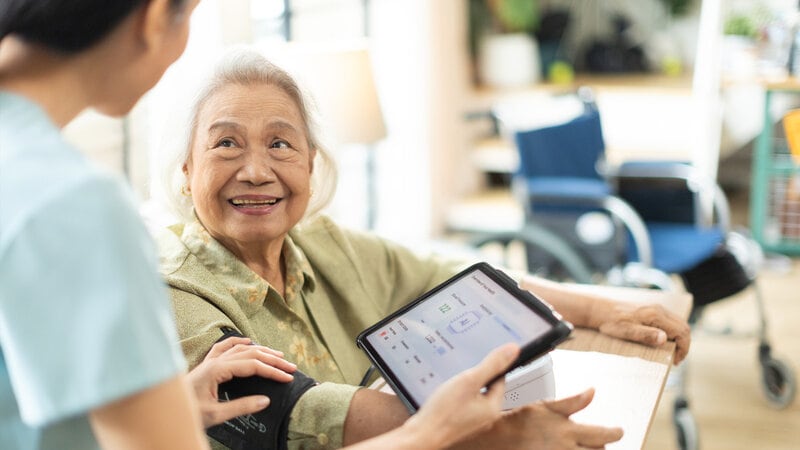
Google is expanding its health AI in Singapore with a new Google Research hub that will support clinicians, researchers and public agencies across the country. The hub is designed to advance the use of foundational AI models in public health, and Google also plans to develop tools that help doctors address clinical questions and care for patients.
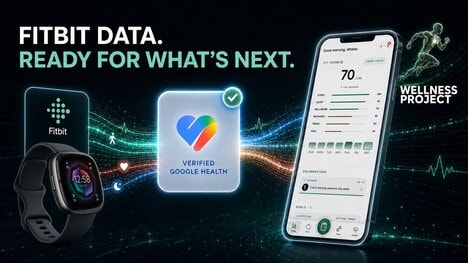
The effort includes a $7 million contribution to public health intelligence and disease detection work across the region. Google is also bringing open models like 'MedGemma' into frontline care settings and linking AI forecasts with health coaching and preventive reminders for residents.
The Singapore focus turns AI from a research asset into part of everyday health infrastructure. By pairing local institutions with guided clinical tools and preventive support, the program sets a template other health systems can adapt without giving up data control.
Image Credit: Google
Key Themes Behind This Trend
- Public Health AI Infrastructure
- Embedding foundational models into national care systems creates new market space for localized, scalable intelligence that supports prevention, triage and clinical decision-making.
- Clinician-guided AI Tools
- Purpose-built assistants for doctors introduce potential for faster clinical question resolution while preserving professional oversight and patient trust.
- Preventive Health Forecasting
- Linking disease detection forecasts with health coaching and reminders signals a shift toward AI-enabled care models that reduce burden before illness escalates.
Where This Applies
- Healthcare Technology
- Open medical AI models adapted for frontline settings could reshape how vendors deliver interoperable tools to hospitals, clinics and public agencies.
- Public Health
- Regional intelligence platforms for disease detection offer governments new ways to coordinate surveillance, preparedness and preventive outreach without centralizing sensitive data.
- Digital Wellness
- AI-driven reminders and coaching connected to clinical forecasts expand opportunities for consumer health services that bridge everyday behavior and formal care systems.