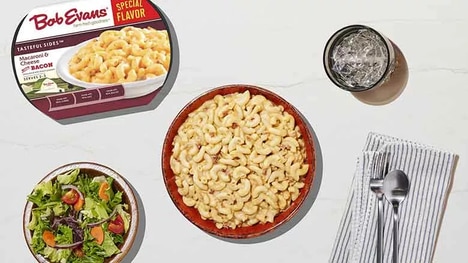
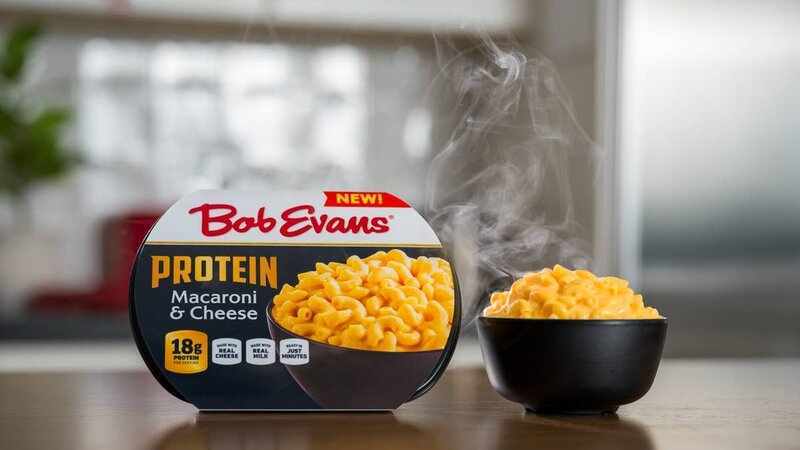
Bob Evans is expanding its refrigerated food selection with protein-enriched comfort foods, introducing its first Protein Macaroni & Cheese. Launched in October 2026, the dish provides 18 grams of protein per serving, representing an 80% increase compared to the brand's original recipe. Made with macaroni, real milk, cheese, and dairy whey protein concentrate, the product maintains a creamy texture while offering additional nutritional value. Its microwave-ready format allows consumers to prepare a convenient meal or snack within minutes.
The launch allows Bob Evans to respond to increasing consumer interest in protein-rich foods while maintaining the familiarity of traditional comfort dishes. Available at Kroger, Meijer, select Walmart stores, and other retailers nationwide, the product strengthens the brand's refrigerated meal portfolio. Combining convenience with enhanced protein content also creates opportunities to attract shoppers seeking practical, satisfying everyday food options.
Image Credit: Bob Evans Farms, Inc.
What Makes This Trend Stand Out
- Protein-enhanced Classics
- Familiar comfort foods upgraded with higher protein content create room for brands to merge indulgence, nutrition, and everyday convenience in mainstream refrigerated meals.
- Microwave-ready Nutrition
- Quick-prep formats with functional nutritional benefits reflect a growing market for meals that satisfy both time constraints and wellness expectations.
- Functional Comfort Eating
- Comfort food positioned around added benefits such as protein signals potential for legacy recipes to evolve into more purposeful, health-aligned offerings.
Sectors Adopting This
- Packaged Foods
- Refrigerated meal producers have an opening to modernize staple dishes with nutrient-forward formulations that preserve taste and texture.
- Grocery Retail
- Retailers can benefit from expanded protein-focused prepared foods that appeal to shoppers seeking convenient, filling options across meal occasions.
- Dairy Ingredients
- Whey protein and dairy-based concentrates are becoming strategic inputs for creating creamy, protein-rich products that fit familiar food categories.