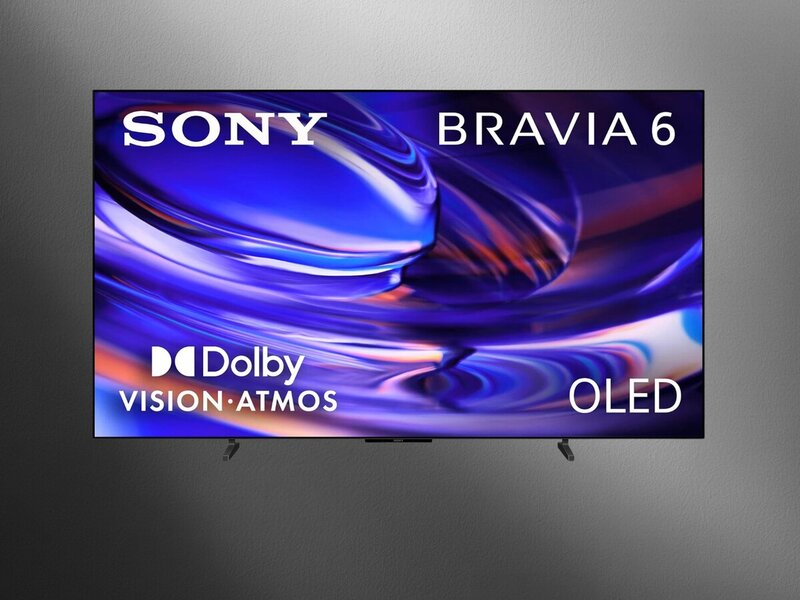
Sony's Bravia 6 OLED TV is a 77-inch 4K model announced in late August and priced at $2,198, about $800 below its original release price. It has four HDMI 2.1 ports, a maximum refresh rate of 120 Hz, and VRR support for PS5 and PC connectivity.
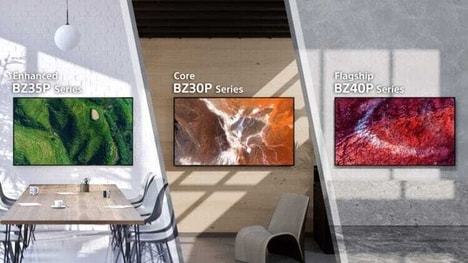
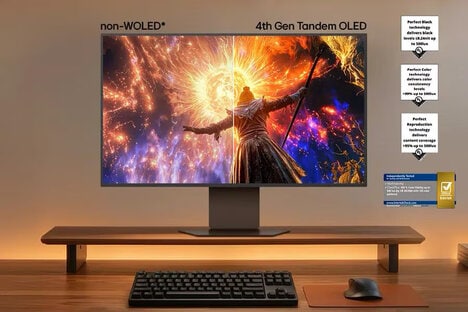
Sony positions the Bravia 6 as a more affordable alternative to the Bravia 8 II and as a rival to LG's C6 and Samsung's S90H. The set uses Triluminos Pro for a wider color range and delivers deep OLED blacks, though it lacks peak brightness and the XR processor found in higher-end models. Google TV runs the smart platform, and the TV supports Dolby Vision across major streaming apps. A 65-inch model is discounted to about $1,700, $300 off its $2,000 launch MSRP, giving shoppers a lower-priced size option.
For buyers seeking OLED contrast, modern HDMI connectivity, and broad streaming support, the Bravia 6 bundles those features into a more accessible package.
Image Credit: Sony
What Makes This Trend Stand Out
- Affordable OLED Expansion
- Premium display features are moving into lower price tiers, creating room for brands to redefine value in large-screen home entertainment.
- Gaming-ready Televisions
- High refresh rates, VRR support, and multiple HDMI 2.1 ports are turning TVs into central hubs for console and PC gaming experiences.
- Feature-tiered Premium Tvs
- Selective reductions in processing power or brightness allow manufacturers to build differentiated product lines without abandoning advanced visual quality.
Sectors Adopting This
- Consumer Electronics
- Price compression in OLED hardware is reshaping competitive positioning across TV manufacturers and accelerating mainstream adoption.
- Home Entertainment
- Larger affordable screens with strong streaming support are changing how households evaluate cinematic viewing experiences at home.
- Gaming Hardware
- Televisions optimized for low-latency connectivity and variable refresh performance are broadening the ecosystem for immersive gameplay.