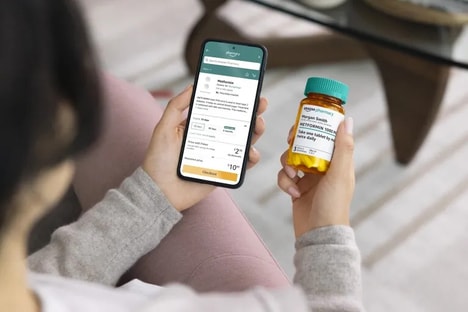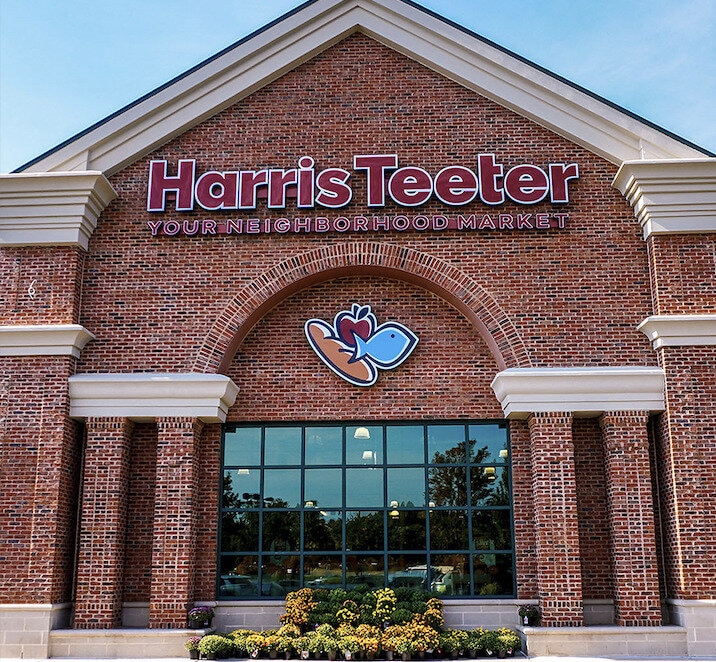
Harris Teeter, a regional supermarket chain operating over 250 stores across eight states and the District of Columbia, has introduced a new prescription delivery service that allows customers to have eligible medications delivered directly to their homes alongside their grocery orders. This service is made possible through the retailer's partnership with the Instacart platform.
Harris Teeter's prescription delivery service effectively combines pharmaceutical fulfillment with routine grocery shopping, enabling users to place a single order through the company's app or website that includes both fresh food, everyday essentials, and prescriptions filled by the same in-store pharmacy teams they already know and trust.
The integration of health and grocery needs into one seamless transaction also offers a practical solution for caregivers managing medications for elderly relatives or for households where multiple members have different prescription requirements.
Image Credit: Harris Teeter
Key Themes Behind This Trend
- Unified Health Commerce
- Combining prescriptions with grocery orders reflects a growing opportunity for retailers to turn routine shopping platforms into integrated health and household management hubs.
- Caregiver-centric Convenience
- Services that simplify medication access alongside everyday essentials reveal new value in supporting caregivers responsible for older adults or multi-person households.
- Pharmacy-enabled Delivery
- Retail pharmacy teams connected to last-mile delivery platforms create openings for trusted medication fulfillment to become part of mainstream digital commerce.
Where This Applies
- Grocery Retail
- Supermarkets are positioned to expand beyond food and essentials by embedding pharmacy services into omnichannel shopping experiences.
- Digital Health
- Integrated prescription delivery models highlight how health access can be improved through consumer-facing platforms already used for daily purchasing.
- Last-mile Delivery
- Delivery networks gain strategic relevance as they support more regulated and recurring categories such as medications alongside standard retail goods.