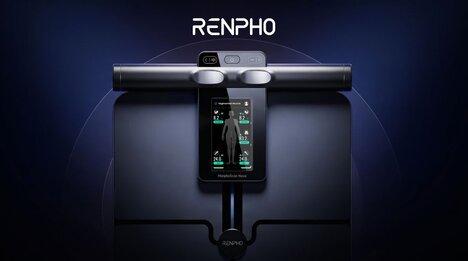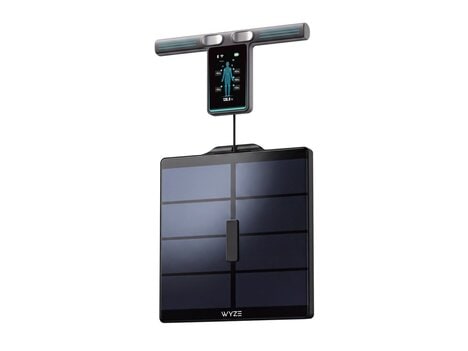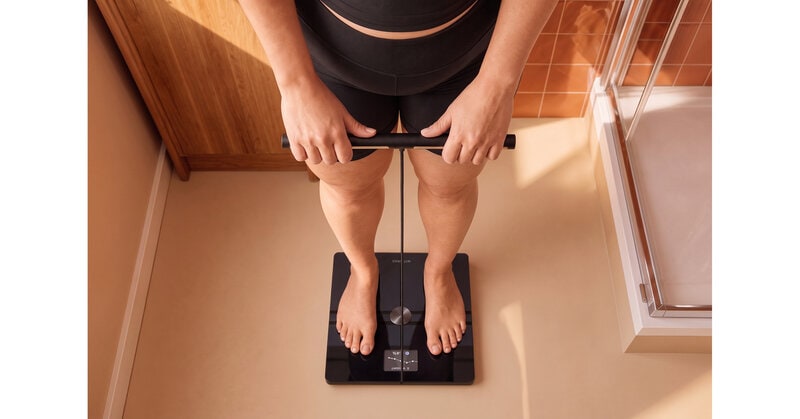
Predictive body composition scales are advancing at-home health monitoring as Withings Health Solutions introduces Body Pro 3, a connected device designed for clinical weight management programs. Unlike conventional scales, the system measures fat and muscle distribution while forecasting physical changes, helping healthcare teams monitor progress beyond total body weight.
A retractable handle enables measurements across the arms, legs, and torso, with validation studies showing strong correlations with DEXA assessments. Using data from tens of thousands of GLP-1 treatment journeys, predictive models estimate future weight and body composition changes. Personalized alerts identify when patients may require additional support.
For Withings, the device creates opportunities to expand partnerships with healthcare providers and remote monitoring programs. Scheduled for early 2027, Body Pro 3 could help clinical teams track muscle preservation, improve patient engagement, and make more informed treatment decisions between appointments.
Image Credit: Withings Health Solutions
Key Themes Behind This Trend
- Predictive Body Metrics
- AI-powered forecasting transforms connected scales into clinical decision-support tools that anticipate changes in fat, muscle, and weight trajectories.
- Muscle Preservation Monitoring
- Rising use of GLP-1 therapies creates demand for home-based tools that distinguish healthy weight loss from potentially problematic lean mass reduction.
- Remote Clinical Weigh-ins
- Connected body composition devices extend care beyond appointments by giving clinicians continuous, multidimensional patient progress data.
Where This Applies
- Digital Health
- Advanced biometric monitoring platforms create new value in remote patient management through predictive insights and automated risk alerts.
- Weight Management
- Clinical obesity programs gain differentiation from technologies that measure treatment quality beyond total pounds lost.
- Medical Devices
- Consumer-friendly diagnostic hardware is blurring category boundaries as validated home devices support more complex care pathways.