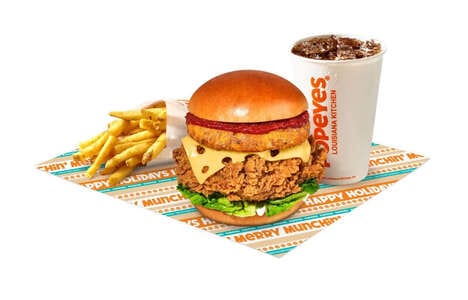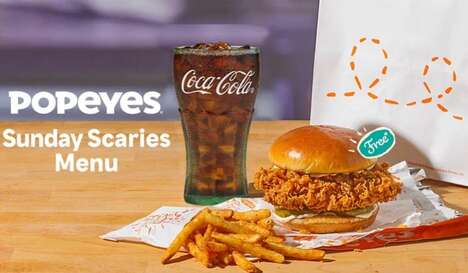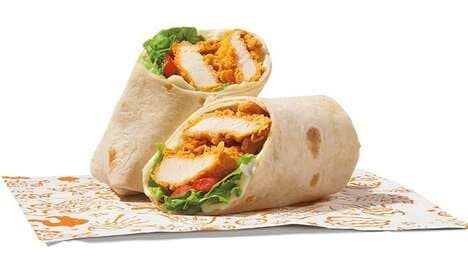
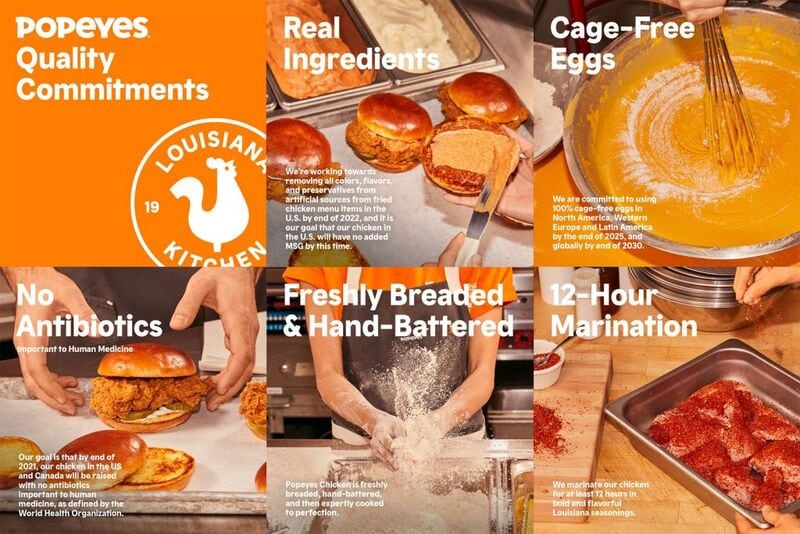
Popeyes is looking to improve overall quality and lessen the impact it has on the environment with its recently updated commitments, which it plans to bring to life over the course of the next five years as a part of the sustainability plan created by Restaurant Brands for Good.
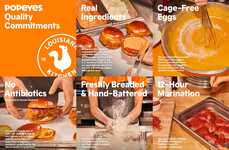
With the refocus, the QSR chain has pledged that it will no longer use artificial colors, flavors, and preservatives for its fried chicken products in the US, will eliminate antibiotics "important to human medicine" from its US and Canadian chicken supply chains, and use 100 percent cage-free eggs in all corporate and franchisee-run restaurants internationally. Popeyes also plans to remove foam cups from its locations and replace them with more sustainable paper cups.
Image Credit: Popeyes
Why This Trend Is Growing
- Sustainability in QSR
- QSRs can invest in sustainable practices to improve overall quality and lessen the impact on the environment.
- Natural Ingredients in QSR
- QSRs can eliminate artificial colors, flavors, and preservatives to provide customers a healthier and better quality dining experience.
- Cage-free Eggs in QSR
- QSRs can use 100% cage-free eggs to adhere to animal welfare standards and reduce the environmental impact of egg farming.
Industries Being Reshaped
- Fast Food Industry
- Fast food chains can improve the quality of their products and reduce their environmental impact by implementing sustainable practices and using natural ingredients.
- Agriculture Industry
- The agriculture industry can adapt to the increasing demand for natural and sustainable food products by investing in sustainable and ethical farming practices.
- Packaging Industry
- The packaging industry can work to develop sustainable alternatives to foam cups and other single-use plastics to help reduce plastic waste and improve the environmental impact of the food industry.