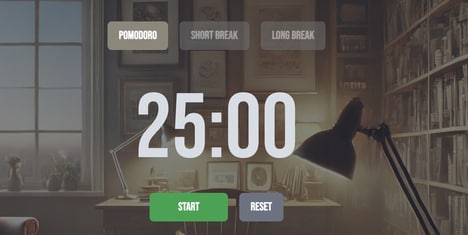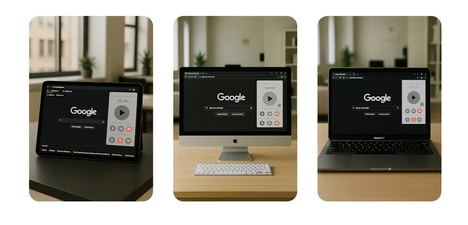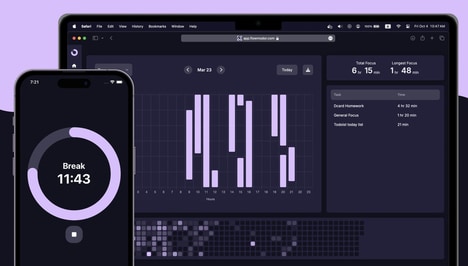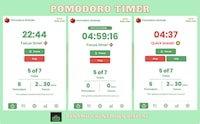
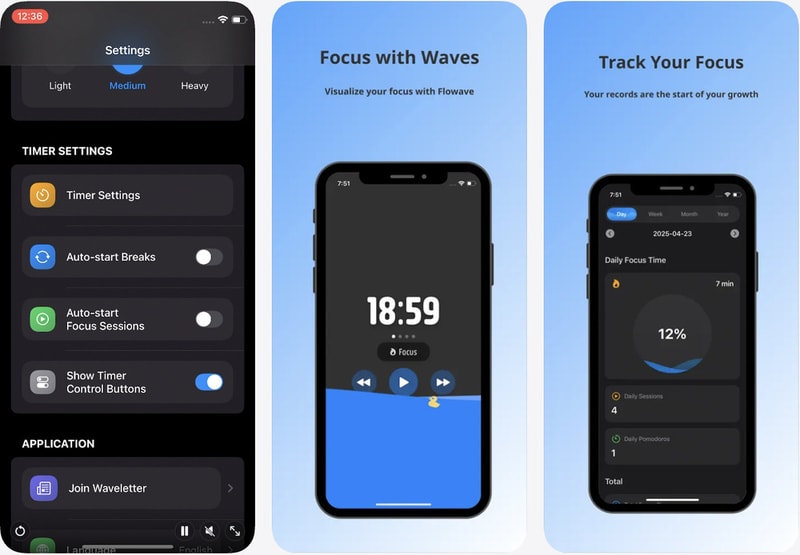
Flowave Pomodoro Timer & Sound is a productivity tool based on the Pomodoro technique, designed to help users manage focused work sessions and structured breaks. It combines time tracking with visual wave animations and ambient audio to create a more immersive and calming workflow experience.
The timer is intended to support sustained concentration by segmenting work into intervals, typically used for study, creative tasks, or professional output. By incorporating sensory elements such as motion and sound, it aims to reduce distraction and reinforce focus cycles. This reflects a broader trend in productivity tools that blend behavioral frameworks with sensory design to improve engagement. For users, such tools can support time discipline, reduce cognitive fatigue, and encourage consistent work habits, particularly in environments requiring deep focus and minimal interruption.
Image Credit: Pomodoro Timer
What Makes This Trend Stand Out
- Sensory-integrated Productivity
- Combining ambient audio and visual motion with time-management frameworks presents the potential for immersive focus environments that alter user engagement and cognitive load.
- Gamified Time Management
- Reward mechanics and progress feedback layered onto interval-based work can shift motivation models and create retention-driven productivity ecosystems.
- Personalized Focus Algorithms
- Adaptive scheduling and sensor-driven adjustments to session lengths and stimuli could enable individually optimized focus rhythms and reduced cognitive fatigue.
Sectors Adopting This
- Software Productivity Apps
- Productivity platforms that integrate multisensory experiences may redefine user expectations for focus tools and open new subscription and platform integration models.
- Corporate Training and L&D
- Learning programs that embed structured focus techniques with ambient design elements have the capacity to transform workplace skill acquisition and attention management outcomes.
- Audio-visual Hardware for Workspaces
- Specialized speakers, lighting, and display modules tailored for micro-workflow cues could create novel hardware-software bundles that enhance sustained concentration in shared environments.