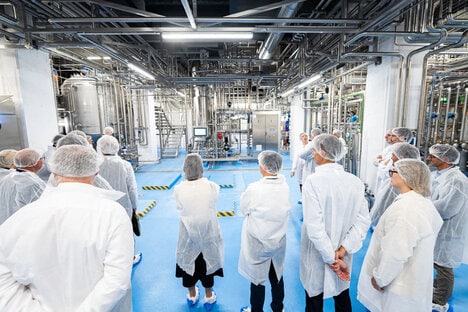
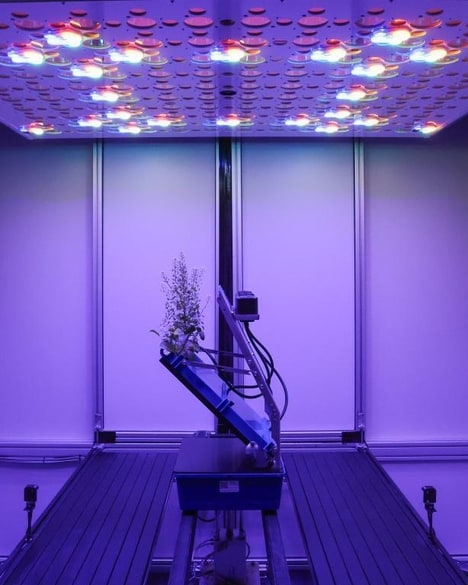
Herbalife India and IIT Madras have introduced plant biotechnology accelerators to help researchers transform botanical discoveries into practical applications for nutrition, wellness, and sustainable manufacturing. The three-year program combines scientific expertise, specialized equipment, and entrepreneurial support to advance plant cell fermentation technologies beyond laboratory experimentation.
Through its Phytothon initiative, the program will organize biotechnology challenges every six months and support up to three startups annually. Participants can access customized plant cultivation bioreactors, analytical equipment, and AI-enabled research systems. A separate international network will encourage collaboration through academic exchanges, workshops, and joint research activities.
For Herbalife and IIT Madras, the initiative creates opportunities to develop commercially viable botanical ingredients, functional foods, and nutraceuticals. By connecting emerging businesses with technical mentorship and research infrastructure, the partnership could strengthen India's biotechnology sector while supporting the development of scalable plant-based manufacturing processes.
Image Credit: Herbalife
Why This Trend Is Growing
- Plant Cell Fermentation
- Scalable plant cell cultivation is reshaping botanical ingredient production by reducing reliance on traditional farming while enabling consistent nutrition, wellness, and manufacturing inputs.
- Biotech Startup Accelerators
- University-industry accelerator models create fertile ground for research commercialization by pairing scientific infrastructure with entrepreneurial support and market pathways.
- AI-enabled Botanical Research
- Advanced analytics and AI research systems are expanding discovery potential in plant biotechnology through faster screening, optimization, and validation of high-value compounds.
Industries Being Reshaped
- Nutraceuticals
- Botanical fermentation platforms offer nutraceutical companies new routes to standardized, high-potency ingredients for functional health products.
- Sustainable Manufacturing
- Plant-based biomanufacturing introduces lower-impact production models that can replace resource-intensive sourcing across specialty chemicals, wellness, and consumer goods.
- Higher Education
- Research institutions are becoming commercialization hubs as academic labs, global exchanges, and startup programs converge around applied biotechnology development.