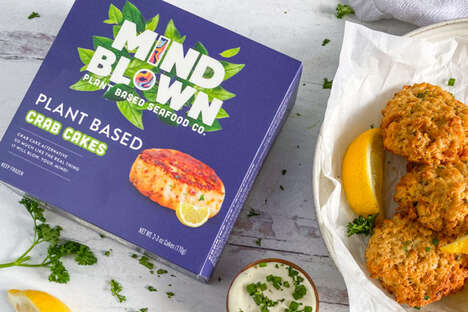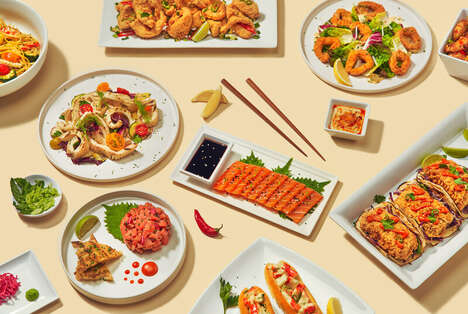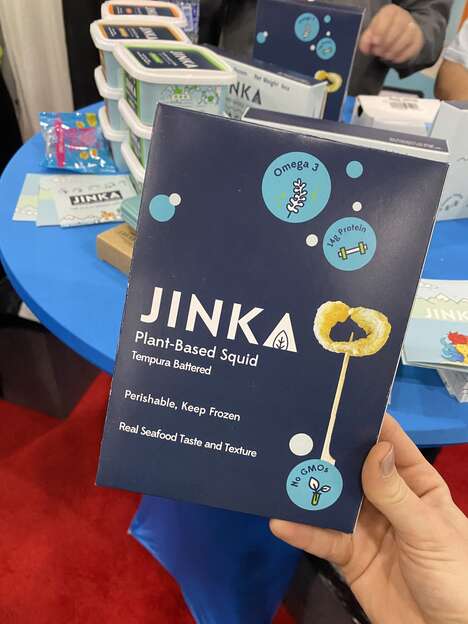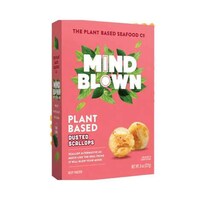
The Plant Based Seafood Co. is known for creating Mind Blown plant-based scallops and now it's introducing its first shelf-stable seafood alternative with Mind Blown Shelf-Stable Sea Scallops. These first-of-their-kind plant-based scallops don't need to be sold or stored in the fridge or freezer but they can be used in a wide range of recipes.
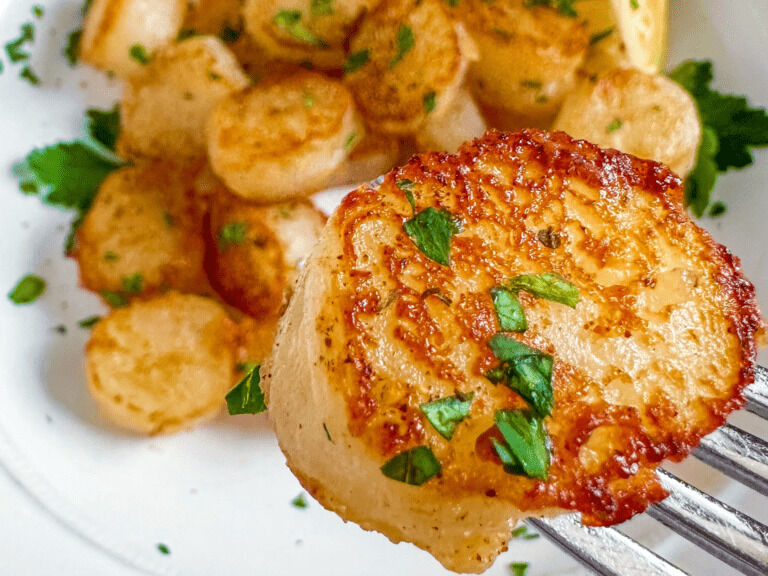
Whether someone is looking to avoid traditional seafood, soy or other allergens, these shelf-stable plant-based scallops promise to satisfy, all the while adding convenience to weekday meals. Like the brand's previously released scallops, these ones sold in shelf-stable packaging make the most of konjac root to mimic the texture and flavor of real scallops.
To prepare, the Mind Blown Shelf-Stable Sea Scallops can be drained, then rinsed and sauteed in a skillet or fried with oil.
What Makes This Trend Stand Out
- Shelf-stable Plant-based Foods
- The creation of shelf-stable plant-based alternatives provides convenience for consumers without compromising taste or nutrition.
- Konjac Root-based Alternatives
- The use of konjac root in plant-based alternatives provides a unique texture and flavor, creating new opportunities for innovation.
- Alternative Protein Sources
- The rise in popularity of plant-based proteins and seafood alternatives provides opportunities for companies to cater to various dietary restrictions and preferences.
Sectors Adopting This
- Plant-based Food
- The plant-based food industry can explore the use of konjac root and shelf-stable packaging to create new alternative seafood products.
- Seafood Industry
- The seafood industry can explore the use of konjac root and other plant-based alternatives to create new sustainable seafood options for consumers.
- Food Packaging Industry
- The food packaging industry can explore the development of shelf-stable packaging options for plant-based foods and alternative protein sources.