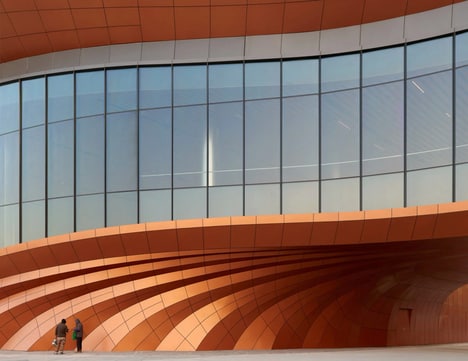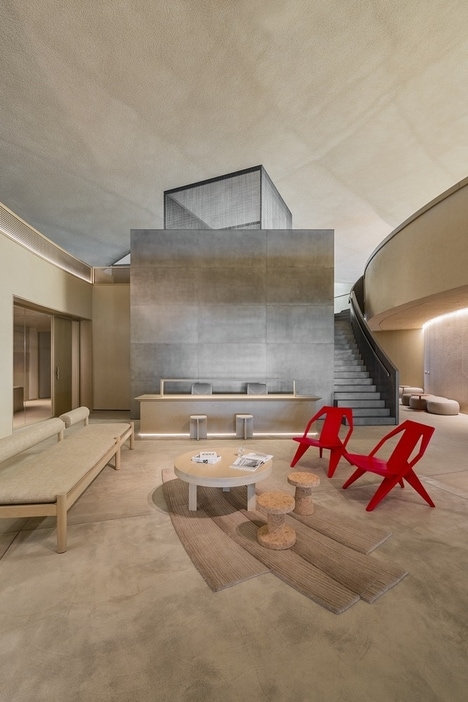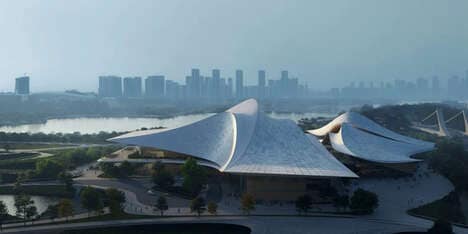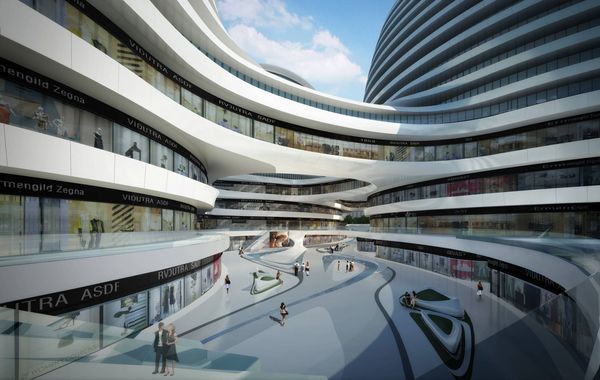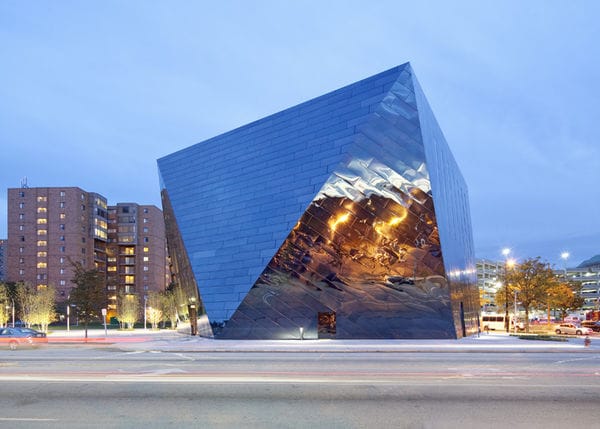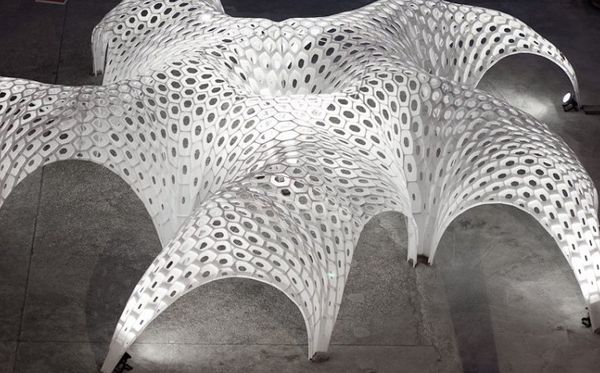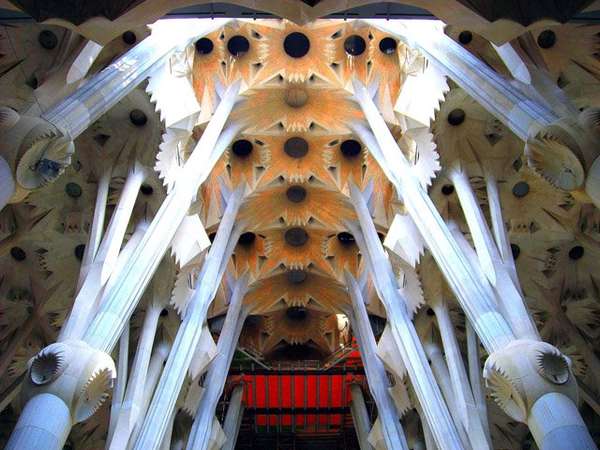

The Pierres Vives Building by Zaha Hadid is a modernist creation utilized as a government building in Montpellier, France.
Housing three government departments, this building is anything but institutional. Pierre Vives will house a variety of different functional facilities such as a multimedia library, a public archive and a sports department. Besides its practicality, this Herault regional government boasts a futuristic aesthetic that was designed by Zaha Hadid Archietects.
Despite its ultramodern appeal, the construction was inspired by the idea of a fallen horizontal tree. 'Branches,' which are connected to the central trunk, are used as entrances and access points. The Pierre Vives structure is made of a whopping 80,000 tons of concrete with 3,000 tons of steel. This creation is testament to the genius of Zaha Hadid Architects.
Key Themes Behind This Trend
- Futuristic Architecture
- The concept of incorporating futuristic design elements in traditional structures presents an opportunity for architects to redefine the aesthetic of institutional buildings.
- Multifunctional Spaces
- The integration of various functional facilities within a single building offers a disruptive innovation opportunity to create versatile spaces that cater to the diverse needs of users.
- Nature-inspired Design
- Using organic forms and elements inspired by nature in architectural design can lead to the creation of visually striking and conceptually unique structures.
Where This Applies
- Architecture
- Architects can leverage futuristic design principles to innovate and transform traditional structures in the field of institutional architecture.
- Construction
- The construction industry stands to benefit from the implementation of novel techniques and materials in order to build complex and visually impressive structures.
- Urban Planning
- Urban planners can explore the integration of multifunctional spaces in city planning to optimize the use of limited resources and provide diverse amenities to the community.