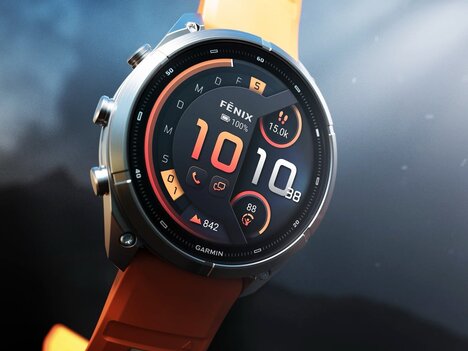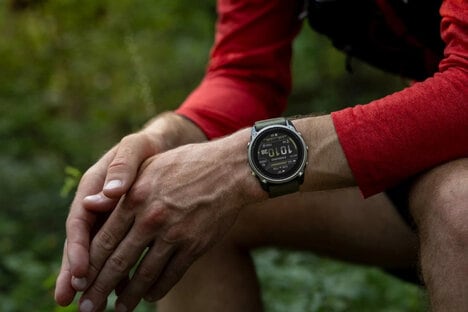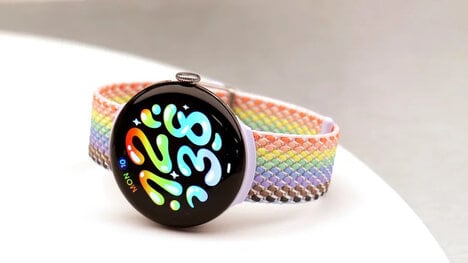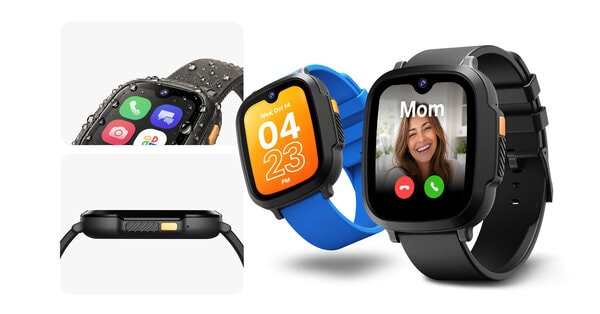
Google is making it easier to track longer outdoor workouts on Wear OS watches without draining the battery as quickly. Its Google Play Services v26.45 update lets compatible watches use a paired phone's satellite positioning instead of relying entirely on their own location receiver.
The feature uses GNSS, which includes satellite systems such as GPS and Galileo, to record routes during activities like running, cycling and hiking. Because a phone has a larger battery than a smartwatch, shifting the positioning work to the phone can help preserve the watch's power during longer sessions.
The update gives Wear OS users another way to balance accurate outdoor tracking with battery life. It also brings Google's smartwatch platform closer to features such as Fitbit's Dynamic GPS, which already allows watches to share location duties with a connected phone.
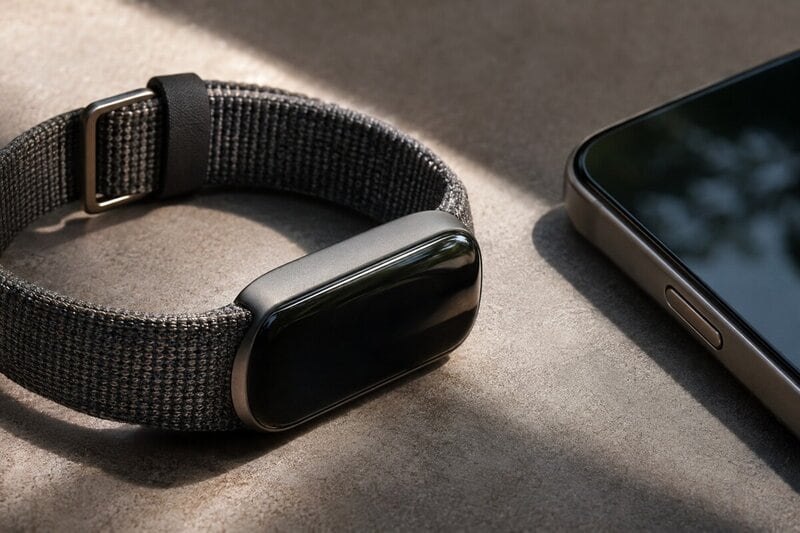
Image Credit: AI-generated
What's Driving This Trend
- Shared-gps Wearables
- Fitness devices that offload location tracking to paired phones create openings for longer-lasting activity tracking experiences without sacrificing route accuracy.
- Battery-aware Fitness Tracking
- Adaptive power management in wearables expands the value of outdoor workout tools by making endurance-focused features more accessible to everyday users.
- Connected Workout Ecosystems
- Phone-watch coordination strengthens integrated fitness platforms where sensors, apps and cloud services work together to deliver richer performance insights.
Who This Affects Most
- Wearable Technology
- Smartwatch makers can differentiate through hybrid hardware-software systems that extend device utility beyond the limits of compact batteries.
- Mobile Health
- Health and fitness platforms gain room for more continuous activity monitoring as paired devices share sensing responsibilities across workouts.
- Location Services
- Satellite positioning providers and mapping platforms benefit from demand for efficient GNSS use across connected consumer devices.