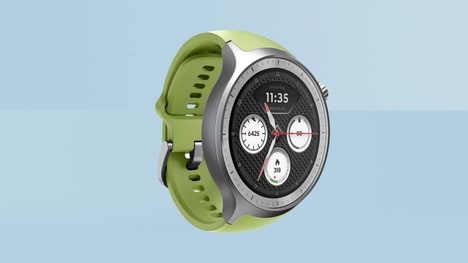
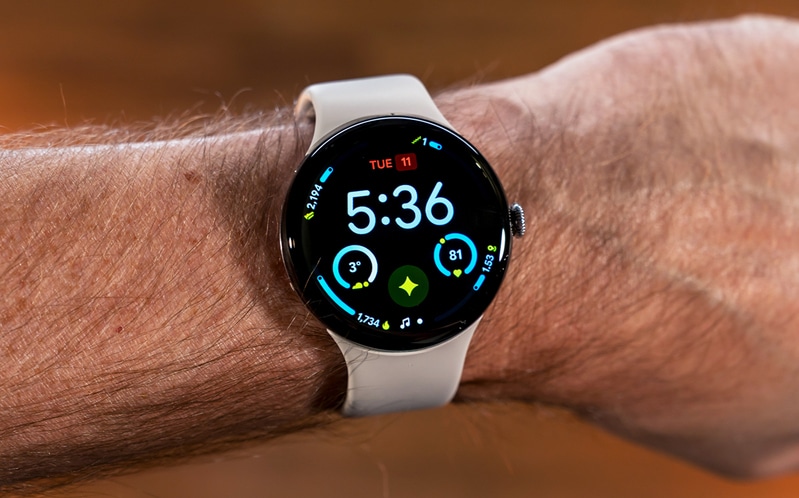
Google introduced the Pixel Watch 4 as its latest Wear OS smartwatch, pairing a rounded, domed Actua 360 display with tighter bezels and upgraded battery performance. Available in 41-millimeter and 45-millimeter sizes, the device stood out for combining a compact form factor with reliable all-day use, especially appealing to users who previously avoided smartwatches due to charging fatigue.
The Pixel Watch 4 featured up to 3,000 nits of peak brightness for better outdoor visibility and a proprietary fast-charging puck that brought the battery from near empty to roughly half in about 15 minutes in real-world testing. Fitness tracking leaned on Fitbit integration, supporting everyday activities like walking, running, cardio sessions, and general gym workouts, while sleep and readiness scores were surfaced more deeply inside the companion app. Google’s refreshed Material UI, Gemini voice access for quick commands, and new gesture controls, such as pinching to dismiss notifications or manage calls, rounded out the experience.
For consumers, the Pixel Watch 4 highlighted how smartwatch adoption can be driven less by niche metrics and more by frictionless daily use. Fast top-ups, a bright and legible circular display, and simple workout tracking made the device practical for casual athletes and wellness-focused users who do not want to manage another gadget’s battery anxieties. The watch also aligned with a broader trend toward AI-assisted, gesture-based control that keeps interactions brief and ambient, positioning it as a strong option for Android owners seeking a polished, everyday wearable.
Image Credit: Google
What's Driving This Trend
- Enhanced Battery Efficiency
- With advancements like fast-charging capabilities, this trend presents potential for smartwatches with longer-lasting battery life, minimizing user discomfort and downtime.
- AI-assisted Gesture Controls
- Incorporating AI-driven gesture controls provides a hands-free interaction experience, which continues to evolve as a standard in wearable technology.
- Integrated Fitness Ecosystems
- The seamless blending of fitness tracking with daily wearables showcases the demand for integrated ecosystems that deliver comprehensive health insights.
Who This Affects Most
- Wearable Technology
- Innovations in wearable tech focus on improving user experience through better battery life and intuitive controls, responding to growing consumer needs for convenience.
- Health and Fitness
- Providing detailed health metrics within everyday wearables enhances industry offerings by appealing to a broader audience of health-conscious individuals.
- Consumer Electronics
- The consumer electronics industry sees disruptive opportunities through integration of AI and optimization of usability to attract tech-savvy users with everyday functionalities.