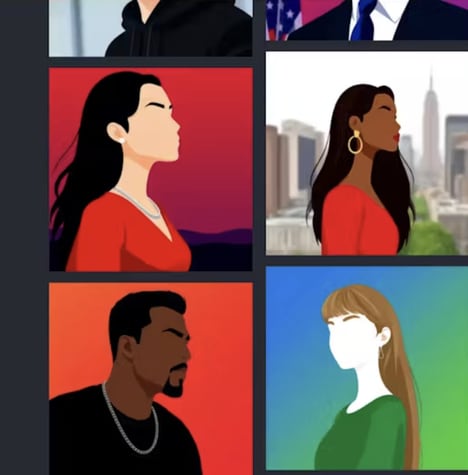
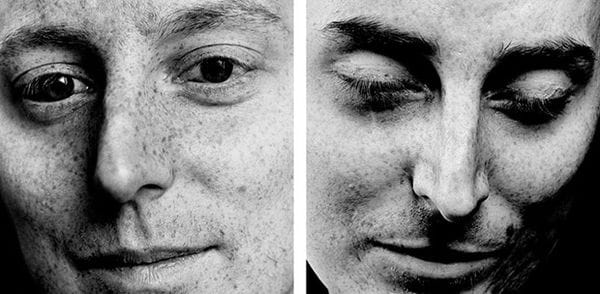
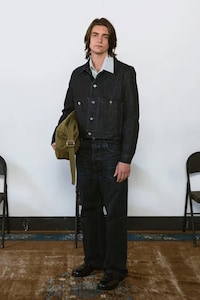
Facial expressions may convey much of a person's character, yet the Persona Non Grata photo series shows that it isn't the be-all and end-all of such intimate knowledge. A person's hair, clothing and habits can easily divulge just as much information, arguably even more, as everyday expressions can. Of course, an observer shouldn't get caught up in judging a book by its cover.
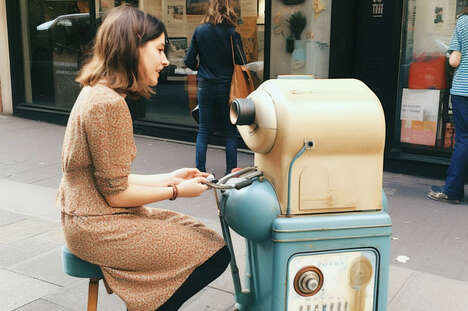
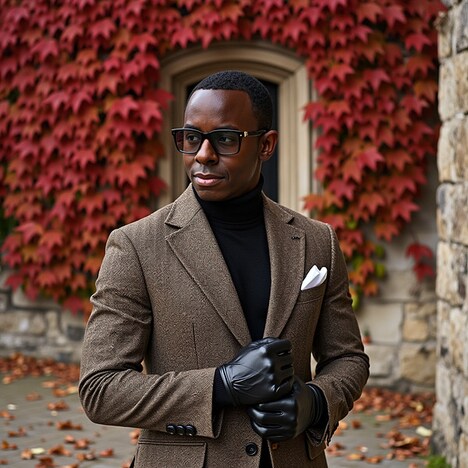
Shot by Juli Balla, a fashion and advertising photographer based in Sydney, Australia, the Persona Non Grata photo series revolves around two mannequins as well as a slew of wigs, costumes and accessories. For instance, one 'woman' is portrayed as an innocent country girl with teased hair, pigtails and pink bubblegum whereas a dapper retro man is clad in a gold lame blazer, bow tie and mysterious sunglasses.
Key Themes Behind This Trend
- Non-facial Identity
- The trend of focusing on non-facial cues, such as hair, clothing, and habits, to understand a person's character presents opportunities for innovative identity verification systems.
- Reimagined Portraits
- The trend of creating faceless portraits using mannequins and various props opens up possibilities for unique and imaginative art forms.
- Outward Expression
- The trend of using fashion and personal style as a form of self-expression provides opportunities for disruptive innovation in the fashion industry.
Where This Applies
- Identity Verification
- The identity verification industry can leverage the trend of non-facial identity to develop more secure and accurate verification methods.
- Art and Photography
- The art and photography industry can explore the trend of reimagined portraits to create visually striking and thought-provoking artworks.
- Fashion
- The fashion industry can capitalize on the trend of using fashion as an outward expression of identity by offering personalized and customizable fashion experiences.