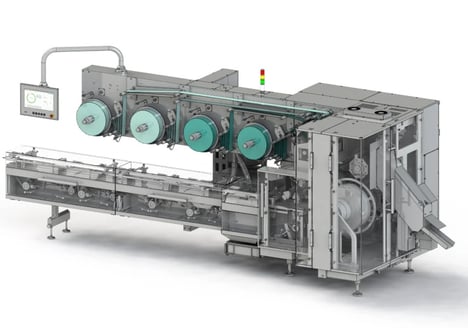
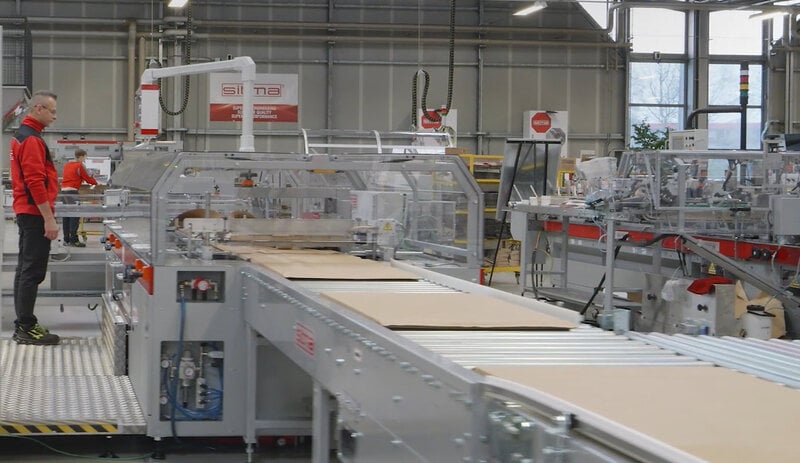
Sitma, a packaging solutions provider with a long history in the industry, has introduced FlatPack — an automated paper-based wrapping system specifically engineered for furniture panels. This solution is designed to serve as a primary packaging alternative that eliminates plastic in industrial production settings.
FlatPack was developed through a collaboration with a major global furniture manufacturer and operates on a fit-to-size continuous motion principle. It is capable of creating compact and secure packs that reduce overall material consumption while maintaining robust protection throughout storage, transport, and retail handling. The automated paper-based wrapping system's inward-folded wrapping geometry not only secures the product but also optimizes palletization. This, in turn, improves space utilization and stability during logistics. FlatPack's integrated workflow, on the other hand, can simultaneously handle the insertion of instruction manuals and assembly kits.
Image Credit: Sitma
What's Driving This Trend
- Plastic-free Industrial Packaging
- Paper-based primary packaging systems are reshaping high-volume manufacturing by offering scalable alternatives to plastic without compromising durability or logistics performance.
- Fit-to-size Automation
- Continuous-motion wrapping technologies create efficiency gains by matching packaging dimensions to each product, reducing waste while improving throughput in industrial environments.
- Integrated Pack Fulfillment
- Automated insertion of manuals, hardware, and assembly components within wrapping workflows points to more consolidated packaging lines with fewer downstream handling requirements.
Who This Affects Most
- Furniture Manufacturing
- Flat-packed furniture production benefits from packaging innovations that protect panels, streamline kit inclusion, and support sustainability expectations at scale.
- Packaging Automation
- Machinery providers are positioned around demand for systems that combine material reduction, plastic elimination, and high-speed customization in a single workflow.
- Logistics and Warehousing
- Optimized wrapping geometry and improved pallet stability introduce new efficiencies in storage density, transport reliability, and retail distribution handling.