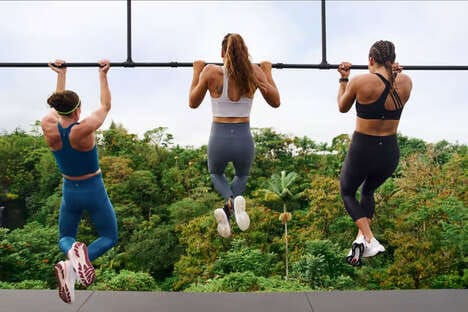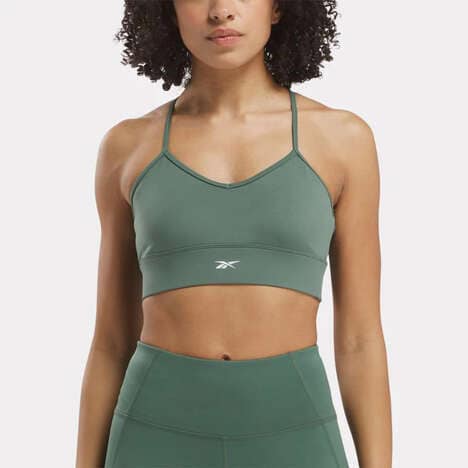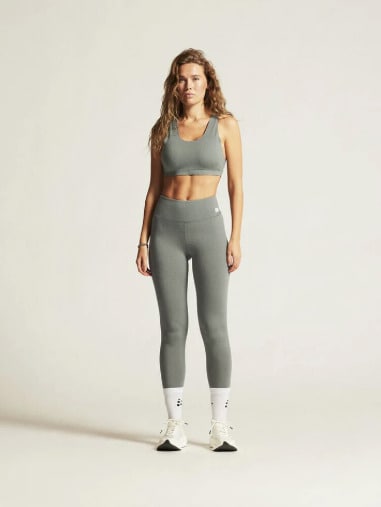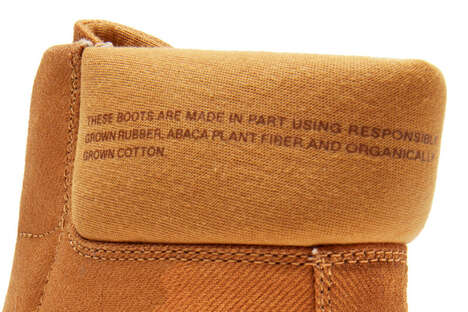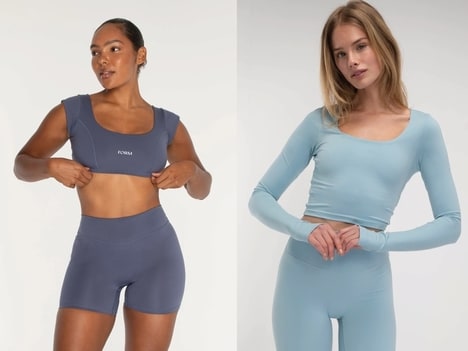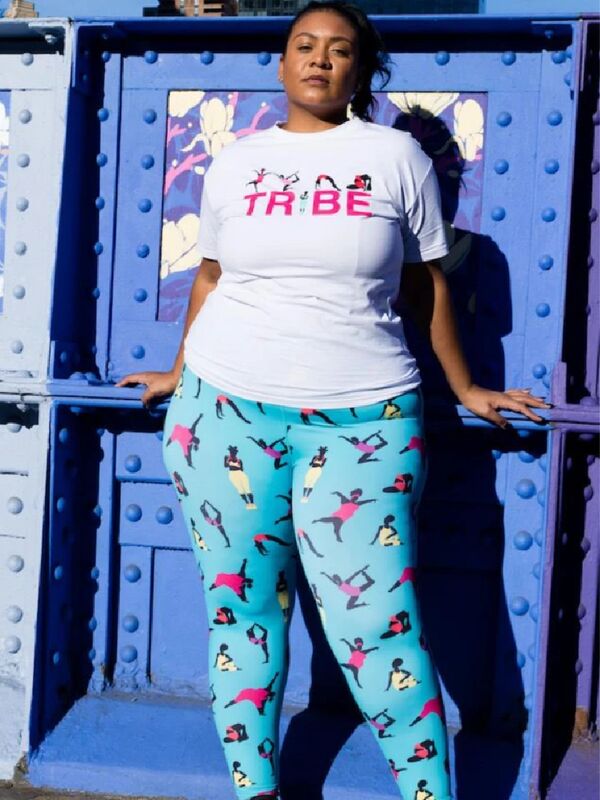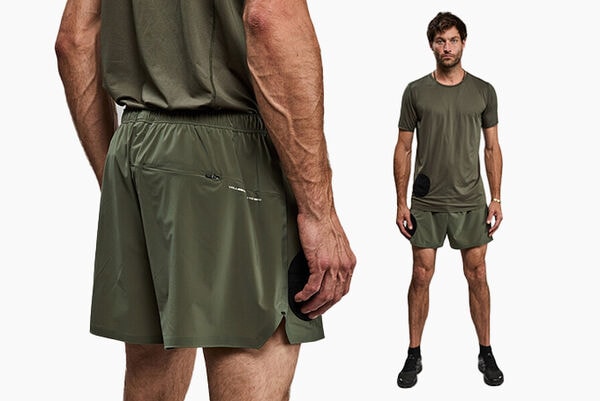
The labels for the PANGAIA Gym collection are prominently printed on the activewear designs and they spell out the fact that the designs are made with bio-engineered materials and fabrics, such as bio-based nylon and seaweed fiber. The gym-ready loungewear line includes pieces like hoodies, crop tops, sweatpants, t-shirts and bike shorts.
For this new collection, PANGAIA incorporated new materials and treatments, namely PPRMNT, a bio-based and durable odor control finish and antimicrobial treatment made from the peppermint plant, and a stretch yarn called Roica V550 that can be degraded by microorganisms over five years.
The new collection is accompanied by an 80s-inspired Let’s Get Physical campaign, which works well to highlight the collection's bold one-piece workout suits and their eye-catching assortment of colors.
What's Driving This Trend
- Bio-based Materials
- The rise of bio-engineered materials as a sustainable alternative presents disruptive innovation opportunities for companies looking to capitalize on eco-conscious consumers.
- Sustainable Activewear
- The demand for sustainable activewear has been growing in recent years, and companies that prioritize sustainable practices and materials can differentiate themselves in a crowded market.
- Functional Fitness Fashion
- The trend towards fashionable and functional activewear presents opportunities for companies looking to blur the line between traditional activewear and everyday clothing.
Who This Affects Most
- Fashion Industry
- The fashion industry can capitalize on the trend towards sustainable and functional activewear by incorporating eco-friendly materials and treatments into their designs.
- Fitness Industry
- The growing demand for fashionable and functional activewear presents a disruptive opportunity for fitness companies looking to create their own lines of branded apparel.
- Textile Industry
- The development and implementation of bio-engineered materials presents a disruptive opportunity for the textile industry, allowing them to create more sustainable and versatile fabrics.