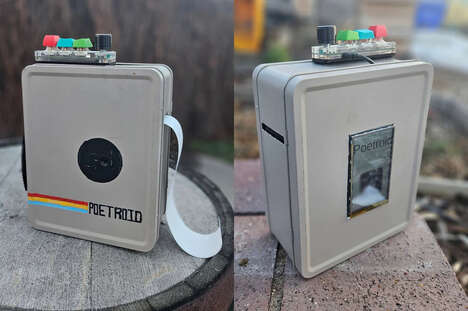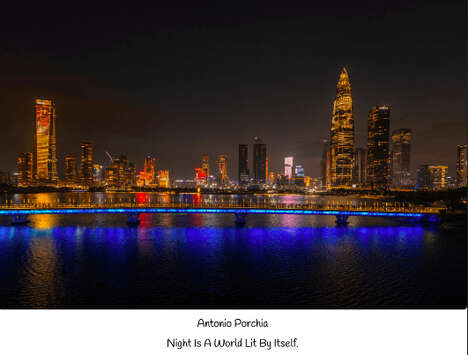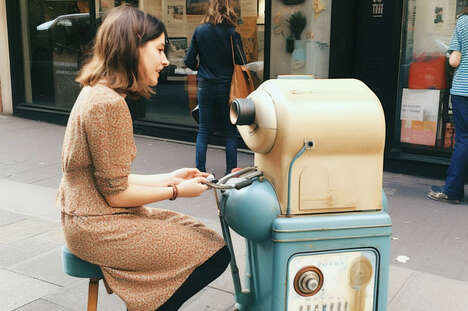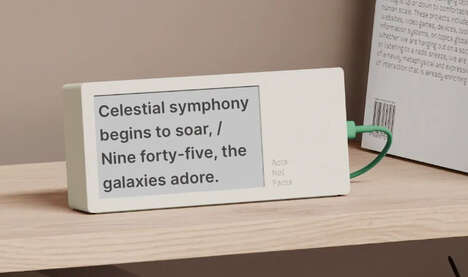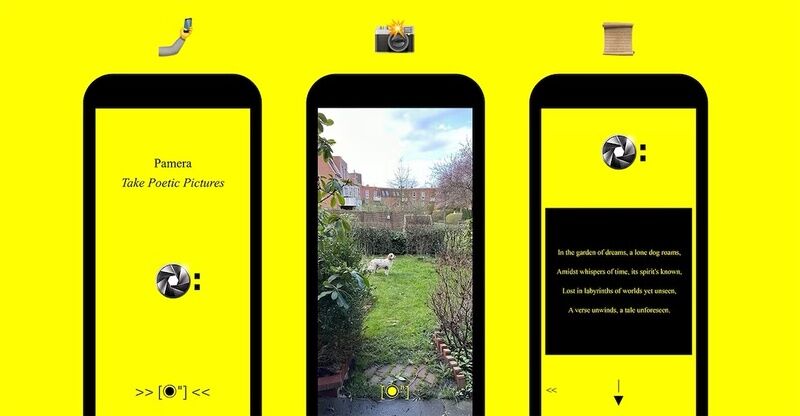
New York-based artist and technologist Damajanski unveils the new Pamera - The Poem Camera app. It essentially blends AI models together with real-time photos and produces poetry from those contents. it fuses object identifier technology with OpenAI's GPT-4 large language model, where it is able to create a unique four-line poem that is inspired by what is found within the images.
Currently, the app is being refined and the artist is working on creating an upgraded iteration to allow users to experiment with their front-facing camera and upload images that are created on other generators as well. For example, an image of a living room can create a poem that reads “A book unfolds, its stories alive in ink, A bottle holds secrets, whispers softly clink, A car speeds by, on highways paved with dreams, Parallel worlds converge, reality streams.”
Image Credit: Pamera
Key Themes Behind This Trend
- AI-powered Poetry
- The emergence of AI-powered poetry apps like Pamera presents disruptive innovation opportunities in the creative arts and technology sectors.
- Object Identifier Technology
- The integration of object identifier technology in poetry apps signifies a disruptive innovation potential in the fields of image recognition and creative expression.
- Combining AI Models
- The fusion of different AI models, such as Pamera's use of OpenAI's GPT-4, opens doors for disruptive innovation in AI development and creative applications.
Where This Applies
- Creative Arts
- The advancement of AI-powered poetry apps offers disruptive innovation opportunities for artists, poets, and creative professionals to explore new mediums of expression.
- Technology
- The integration of AI models and object identifier technology in poetry apps creates disruptive innovation opportunities for the tech industry to enhance image recognition capabilities and expand creative applications.
- Image Recognition
- The utilization of object identifier technology in poetry apps presents disruptive innovation opportunities in the image recognition industry, allowing for more contextual and meaningful analysis of visual content.