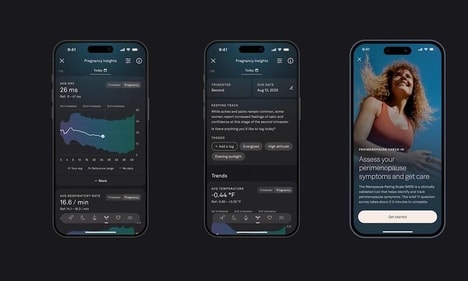
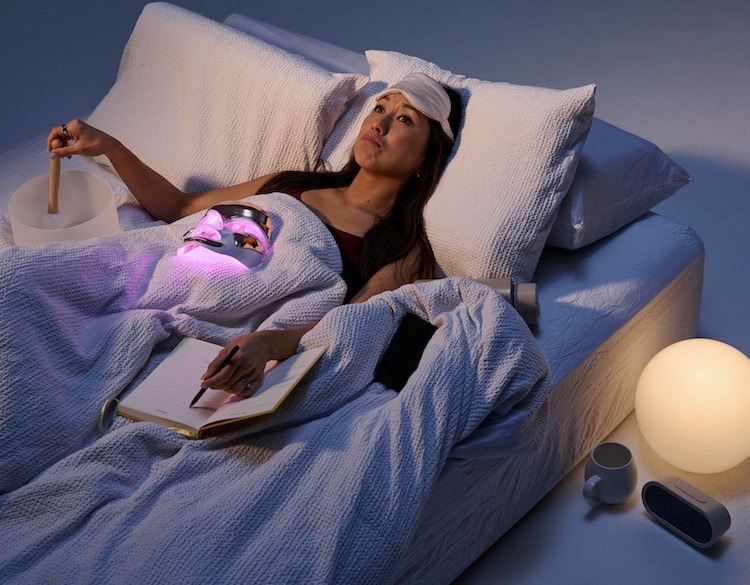
KIC, a leading Australian wellness brand co-founded by Steph Claire Smith and Laura Henshaw, has released new survey data from hundreds of women revealing that the optimisation era — which is characterized by wearable technology, biohacking, sleep scoring, and relentless self-monitoring — is having a counterproductive effect on mental wellbeing. As part of this study, 97% of respondents reported pressure to optimize their health, and four in five stated that checking a health metric has ruined their mood for the day.
Additionally, KIC's research found that 51% of women said tracking their health makes them feel anxious or overwhelmed, while an equal proportion reported feeling more isolated rather than connected, and 42% admitted they are tracking simply because they feel they should.
Image Credit: KIC
What's Driving This Trend
- Anti-optimization Wellness
- Wellness platforms are shifting from performance tracking toward emotional balance, creating space for products that reduce pressure while still supporting healthy routines.
- Mood-aware Wearables
- Wearable technology is evolving to account for psychological impact, highlighting opportunities for metrics that adapt feedback based on stress, anxiety, and user context.
- Gentle Health Tracking
- Simplified tracking experiences can replace constant self-monitoring with softer insights, opening pathways for tools that prioritize reassurance over comparison.
Who This Affects Most
- Digital Wellness
- The digital wellness sector is being reshaped by demand for less intrusive experiences that support mental wellbeing alongside physical health.
- Wearable Technology
- Device makers face growing interest in features that interpret biometric data with greater sensitivity to emotional outcomes and user fatigue.
- Femtech
- Women-centered health brands can differentiate through research-backed services that address anxiety, isolation, and social pressure within optimization culture.