
Honor partnered with German camera manufacturer ARRI on ARRI Look Cinematic Video filters for the upcoming Magic9 series. The one-tap presets emulate the color grading of several ARRI cameras, while users can adjust video color temperature for more control during capture.
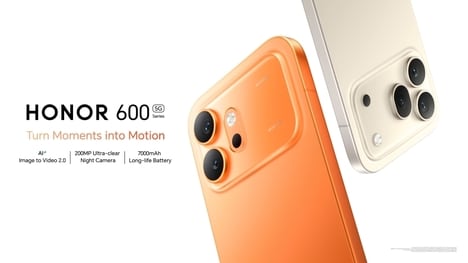
Promotional material starring Honor ambassador Xiao Zhan demonstrates the filters ahead of the Magic9 series unveiling on Sept. 28. Honor says the Pro Max will feature two 200-megapixel cameras, including 1/1.28-inch main and 1/1.4-inch telephoto sensors, and support a new 500 mm teleconverter kit. The company is also developing a Super Edition model.
For creators, the filters provide a faster starting point for cinematic-looking footage without requiring immediate post-production grading. The feature reflects a broader trend of smartphone brands translating professional imaging expertise into consumer software. For Honor, the ARRI partnership adds filmmaking credibility and differentiates the Magic9 camera experience ahead of launch.
Image Credit: GSMArena.com
What's Driving This Trend
- Professional Look Presets
- Camera-grade color science embedded into mobile devices creates differentiation through premium creative tools that reduce reliance on complex editing workflows.
- One-tap Cinematic Creation
- Simplified filmmaking features are expanding access to polished video production, opening space for software-led creator experiences on consumer hardware.
- Smartphone Imaging Partnerships
- Collaborations between phone brands and professional camera companies signal new value in borrowing specialist credibility to elevate mobile content creation.
Who This Affects Most
- Mobile Devices
- Premium smartphones are increasingly competing through advanced imaging ecosystems that blend high-end sensors, accessories, and creator-focused software.
- Digital Content Creation
- Creator tools built directly into capture devices reshape production habits by making cinematic aesthetics available at the moment of recording.
- Camera Technology
- Professional imaging expertise is moving into consumer platforms, extending the influence of established camera brands beyond dedicated hardware.