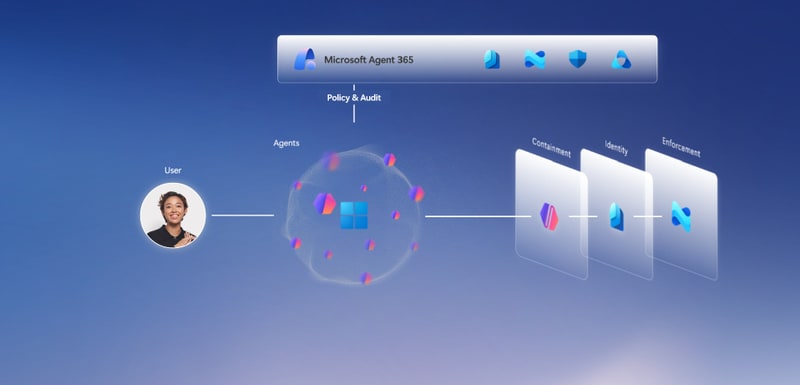
Microsoft is expanding on-device AI development by introducing local AI models, Windows AI APIs, and intelligent developer tools that allow applications to run advanced AI features directly on PCs instead of relying on the cloud. These capabilities improve performance, reduce latency, strengthen privacy, and give developers greater flexibility when building AI-powered software. The update also includes tools for creating AI agents, generating custom extensions, and optimizing local machine learning workflows, making Windows a more comprehensive platform for next-generation application development.
For technology companies, this shift encourages the creation of software that delivers faster, more secure AI experiences while lowering cloud computing costs. Hardware manufacturers also benefit from growing demand for AI-capable devices that can process workloads locally. As more developers embrace on-device AI, competition is likely to center on ecosystem integration, performance optimization, and seamless user experiences rather than cloud infrastructure alone.
Image Credit: Microsoft
What's Driving This Trend
- On-device AI
- Local model execution is reshaping software experiences through lower latency, stronger privacy, and reduced dependence on cloud infrastructure.
- AI-powered Developer Tools
- Integrated coding assistants, agent builders, and extension generators are creating faster pathways for developers to build intelligent applications inside existing operating systems.
- Privacy-first Computing
- Processing sensitive data directly on personal devices enables more secure AI features for enterprise, healthcare, finance, and productivity applications.
Who This Affects Most
- Software Development
- Application platforms are becoming more competitive as local AI APIs and model toolkits support richer features without constant cloud connectivity.
- Consumer Electronics
- Demand for AI-capable PCs and edge devices is expanding the market for processors, memory systems, and hardware optimized for local machine learning workloads.
- Cloud Computing
- Hybrid AI architectures are shifting infrastructure strategies as some inference tasks move from centralized servers to user devices.