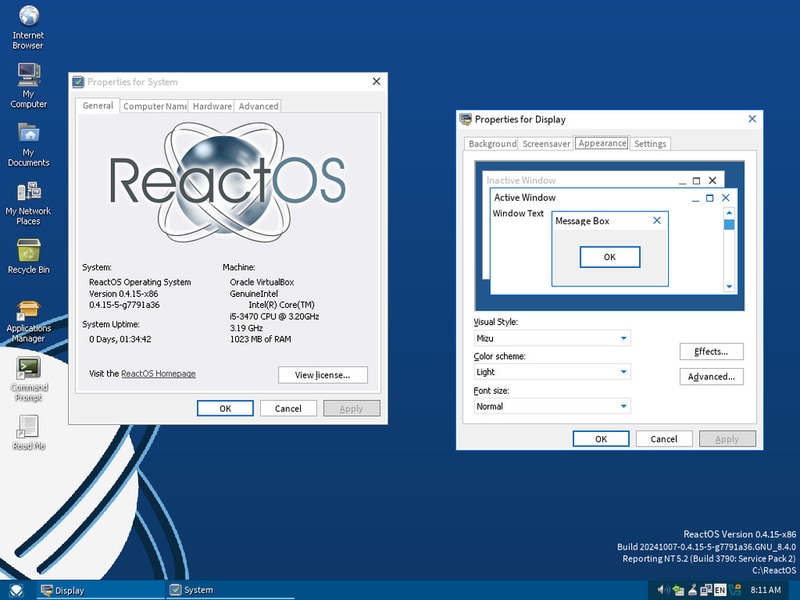
Open-source windows alternatives are gaining attention as organizations and developers seek flexible operating systems that reduce dependence on proprietary software ecosystems. ReactOS is advancing this shift by building a Windows-compatible open-source platform capable of running familiar applications and supporting broader hardware compatibility. Recent updates, including a unified installation system and improved ATA storage drivers, make the platform easier to deploy while expanding the range of devices it can support.
For businesses, this development reflects growing interest in customizable and cost-efficient computing environments. Companies managing legacy software systems may benefit from platforms that maintain Windows-style compatibility without requiring full reliance on Microsoft licensing structures. Improved hardware support and simplified installation tools could also make open-source operating systems more accessible to enterprises, educational institutions, and public-sector organizations. As demand for digital independence, infrastructure flexibility, and long-term software sustainability increases, compatibility-focused operating systems may become a larger part of enterprise technology strategies.
Image Credit: ReactOS
What's Driving This Trend
- Compatibility-focused Open-source OS
- Creates an alternative platform that mirrors Windows APIs and driver models, enabling a shift away from proprietary OS dependence toward customizable, interoperable computing stacks.
- Legacy System Modernization
- Offers a route for running older enterprise applications on contemporary hardware without full rewrites, reducing migration friction for long-lived business software.
- Simplified Deployment Tooling
- Reduces complexity around operating system rollout by providing unified installers and improved driver support, increasing feasibility of broad-scale adoption in heterogeneous environments.
Who This Affects Most
- Enterprise IT Infrastructure
- Stands to be reshaped by lower-cost, customizable OS options that change procurement models and long-term maintenance strategies for corporate computing fleets.
- Education Technology
- Becomes more accessible for institutions with constrained budgets through interoperable systems that support legacy educational software and diverse hardware labs.
- Public Sector IT
- May experience increased autonomy and reduced vendor lock-in as open-source compatibility layers allow continued use of critical legacy applications within government infrastructures.