NVIDIA is a technology company that develops computing platforms used across graphics, data centers, and artificial intelligence. Best known for inventing the GPU, NVIDIA’s technology supports workloads ranging from real-time graphics rendering to large-scale AI model training.
Its infrastructure tools are widely used in industries such as gaming, autonomous vehicles, healthcare, robotics, and scientific research. Beyond hardware, NVIDIA provides software frameworks and developer platforms that help organizations deploy and optimize AI applications at scale. For businesses, NVIDIA’s role is foundational rather than application-specific: it supplies the underlying compute needed to power advanced analytics, simulation, and machine learning systems. As AI adoption accelerates, NVIDIA’s integrated approach—combining chips, systems, and software—positions it as a core enabler of modern digital infrastructure rather than a consumer-facing product.
Image Credit: NVIDIA
Key Themes Behind This Trend
- Integrated AI Platforms
- The integration of chips, systems, and software into cohesive platforms fosters an environment where businesses can efficiently deploy and scale AI applications.
- Scalable AI Infrastructure
- As AI technologies expand, the demand for scalable infrastructure tools capable of handling large-scale model training and data processing grows significantly.
- AI-powered Graphics Rendering
- The combination of real-time graphics rendering with AI accelerates the development of immersive digital experiences and simulations.
Where This Applies
- High-performance Computing
- The rise of AI demands breakthroughs in high-performance computing architectures capable of meeting the processing needs of advanced analytics.
- Autonomous Vehicles
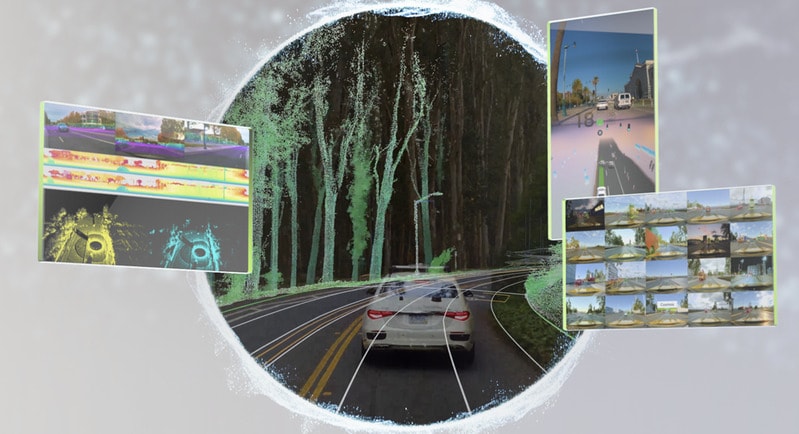
- In the autonomous vehicle sector, AI compute infrastructure plays a pivotal role in powering real-time data processing and decision-making systems.
- Healthcare Technology
- The healthcare industry leverages robust compute infrastructures to enhance precision in diagnostics, treatment planning, and patient outcome predictions.