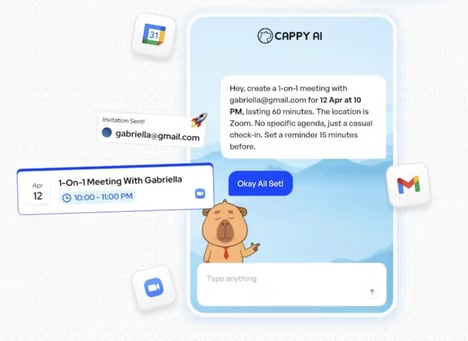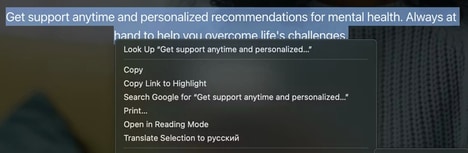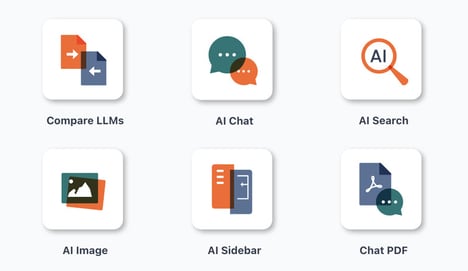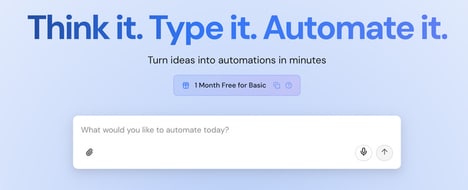
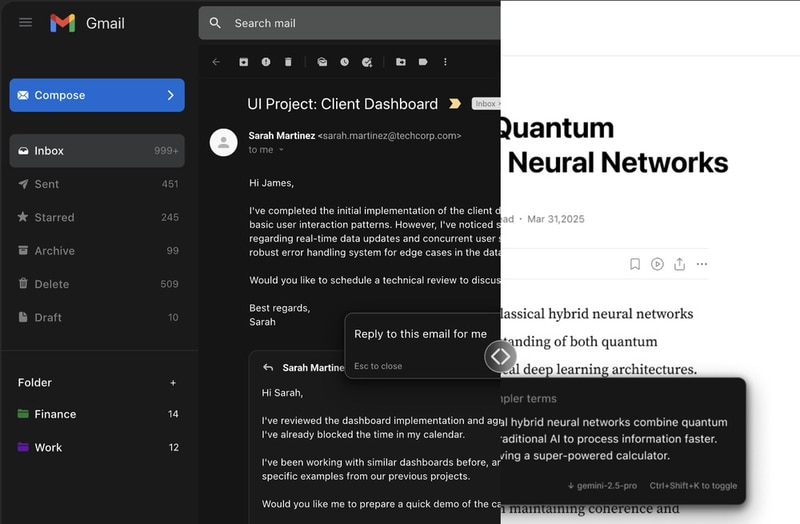
nPage AI is a digital productivity tool designed to integrate artificial intelligence directly into a user’s workflow. Unlike traditional AI assistants that require switching between applications, nPage AI gathers contextual information from the content a user is actively viewing, enabling more seamless assistance.
This approach allows the AI to provide suggestions, summaries, or actionable insights without interrupting ongoing tasks. From a business perspective, platforms like nPage AI highlight the growing emphasis on workflow-embedded AI to increase efficiency and reduce cognitive friction. By reducing the need for context switching and manual information gathering, such tools can improve productivity, decision-making, and content generation speed. nPage AI exemplifies trends in adaptive AI integration, where intelligence is delivered directly where work occurs, supporting faster, more informed actions.
Image Credit: nPage AI
Why This Trend Is Growing
- Workflow-embedded AI
- Embedding AI directly into active workspaces reduces context switching and creates opportunities for real-time augmentation of tasks and decisions.
- Contextual-aware Assistance
- Models that infer user intent from on-screen content enable highly relevant suggestions, summaries, and insights tailored to the immediate workflow.
- Adaptive Interface Automation
- Interfaces that dynamically surface AI capabilities based on user context can automate routine information gathering and streamline multi-step processes.
Industries Being Reshaped
- Enterprise Software
- Integrated AI features within enterprise suites could transform productivity tools by embedding decision support and automations into day-to-day business applications.
- Knowledge Management
- Systems that harvest contextual information from documents and communications present new ways to auto-curate, summarize, and surface organizational knowledge.
- Content Creation-media
- Content platforms augmented with in-context AI assistance offer faster generation, editing, and personalization of media by leveraging live document context.