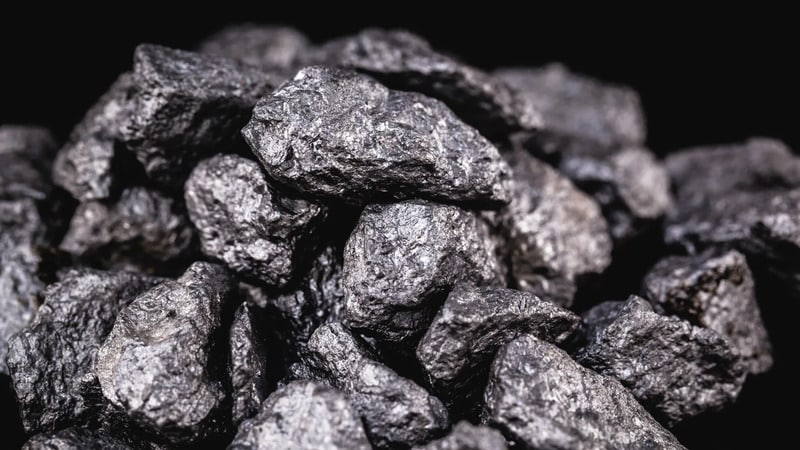
Researchers at Curtin University and collaborators identified niobium-rich carbonatite rocks buried beneath central Australia, revealing a newly characterized source of a critical metal. The study, published in Geological Magazine, dated the rocks to about 830–820 million years ago and described pathways that allowed mantle-derived, metal-bearing magma to rise during continental rifting.
The work featured multiple isotope-dating techniques applied to drill core samples, designed to separate original magmatic events from later alteration. The authors detailed the rocks’ composition, emplacement ages and tectonic context, noting that long-lived fault zones acted as conduits for carbonatite magmas. The paper connected these findings to global occurrences of carbonatites that host niobium and rare earth elements, and explained the analytical methods—isotope geochronology and high-resolution imaging—used to reconstruct the sequence of events.
For industry and resource planners, pinpointing an ancient niobium source refines models for where critical-metal deposits can be found, potentially guiding exploration. The research underscores how tectonic rifting processes concentrate economically important elements and informs sustainable sourcing strategies for steel strengthening and energy technologies.
Image Credit: ScienceDaily
What's Driving This Trend
- Rare Metal Resource Mapping
- Advances in isotope-dating techniques enhance the precision of mapping hidden niobium deposits, which can shift exploration efforts to previously untapped regions.
- Sustainable Tectonic Sourcing
- Understanding tectonic rifting processes offers insights into sustainable sourcing methods for critical metals, which are vital for the evolving energy sector and supply chains.
- High-resolution Imaging in Geology
- Implementing high-resolution imaging to analyze rock compositions provides a disruptive approach to identifying niobium and rare earth element concentrations with greater accuracy.
Who This Affects Most
- Geological Exploration Services
- The discovery of niobium-rich carbonatite rocks emphasizes the need for advanced geological exploration services to locate critical metal deposits using more refined techniques.
- Steel and Alloy Manufacturing
- Identifying new niobium sources presents opportunities to enhance steel alloys, directly impacting industries focused on high-strength materials.
- Renewable Energy Technology
- The role of tectonic processes in metal concentration could significantly influence the sourcing of materials essential for renewable energy technologies, including wind and solar power.