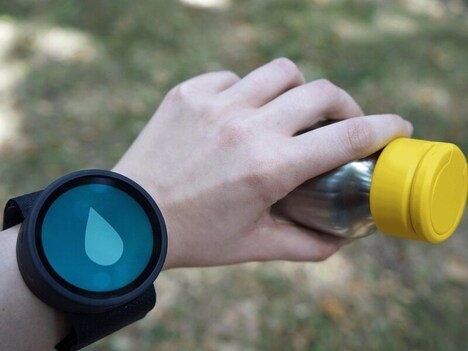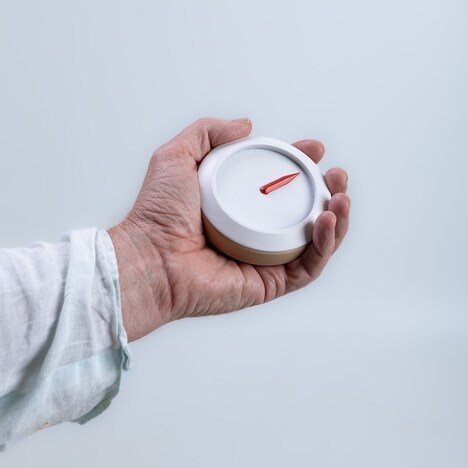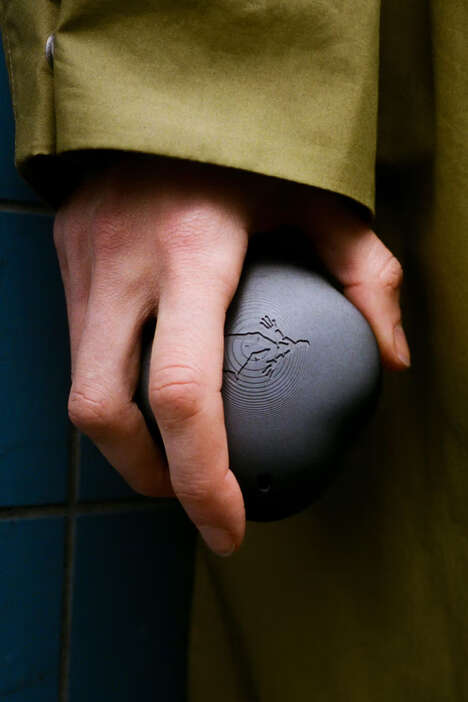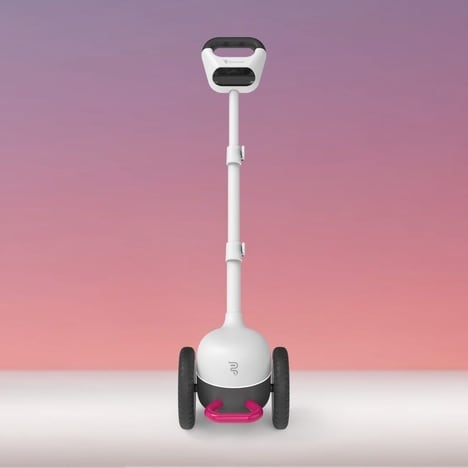
These accessorized navigation wearables are offering partially sighted people greater independence by providing them with a reliable way to navigate point A to point B.
For some people with visual impairments, navigation can be a stressful, time-consuming and a potentially unsafe process, especially after dark, or in unfamiliar surroundings. Brunel University graduate Emilios Farrington-Arnas aimed to provide people with a safer travel accessory that was both unobtrusive and aesthetically pleasing. 'Maptic' is a pastel-clad device that can be worn like a bracelet or necklace. The smart accessory provides haptic feedback to the wearer, vibrating to inform them whether to turn left or right. The sensors are app-enabled, connecting to a phone's GPS system, tracking and responding to obstacles more effectively than other tools on the market.
What Makes This Trend Stand Out
- Accessible Navigation Wearables
- Providing visually impaired people greater independence with reliable navigation wearable devices
- Smart Accessory Technology
- Incorporating haptic feedback into wearable technology for safer and unobtrusive travel
- App-enabled GPS Tracking
- Integrating smartphone GPS systems and sensors for more effective and responsive obstacle detection
Sectors Adopting This
- Assistive Technology
- Developing innovative wearable technology to assist and enhance the mobility and navigation of people with visual impairments
- Smart Jewelry
- Combining fashion and technology to create stylish and discreet wearable accessories that utilize haptic feedback for navigation purposes
- GPS Tracking Devices
- Exploring new methods of obstacle detection and navigational assistance by leveraging smartphone GPS and sensor technology