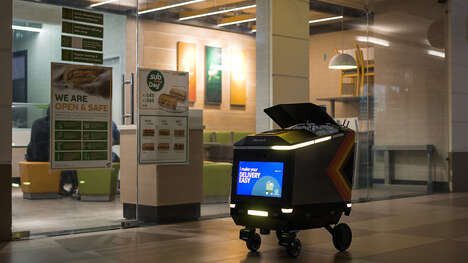
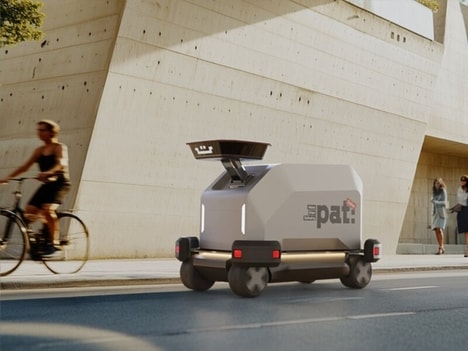
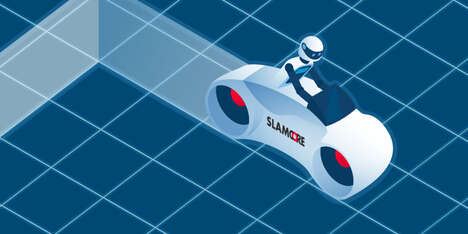
Researchers from MIT created a new navigation method for autonomous delivery robots. The new navigation method enables robots to locate the front door of the delivery address, without relying on maps. The new method is similar to SLAM navigation, which stands for simultaneous localization and mapping. However, MIT's method also uses data from training maps to distinguish its surroundings in a heat map. This allows the delivery robot to determine where the front door is located.
Relying entirely on mapping delivery areas would severely restrict the scale that autonomous delivery robots could operate on. Mapping out all delivery areas would be an extremely resource-intensive process, so MIT's new navigation features could reduce the need for mapping a delivery area.
Image Credit: MIT News
What Makes This Trend Stand Out
- Autonomous-delivery-robots
- MIT's new navigation method for autonomous delivery robots eliminates the need for mapping delivery areas.
- Slam-navigation
- MIT's navigation method incorporates SLAM navigation to help delivery robots locate the front door of the delivery address.
- Heat-map-technology
- MIT's navigation method uses data from training maps to create a heat map, enabling delivery robots to determine the location of the front door.
Sectors Adopting This
- Logistics
- MIT's navigation method presents disruptive innovation opportunities for the logistics industry, specifically for autonomous delivery services.
- Robotics
- MIT's new navigation method opens up disruptive innovation opportunities in the robotics industry, particularly for advancing autonomous robot technologies.
- Technology
- MIT's navigation method showcases disruptive innovation opportunities in the technology industry, with applications for improving navigation systems in various sectors.