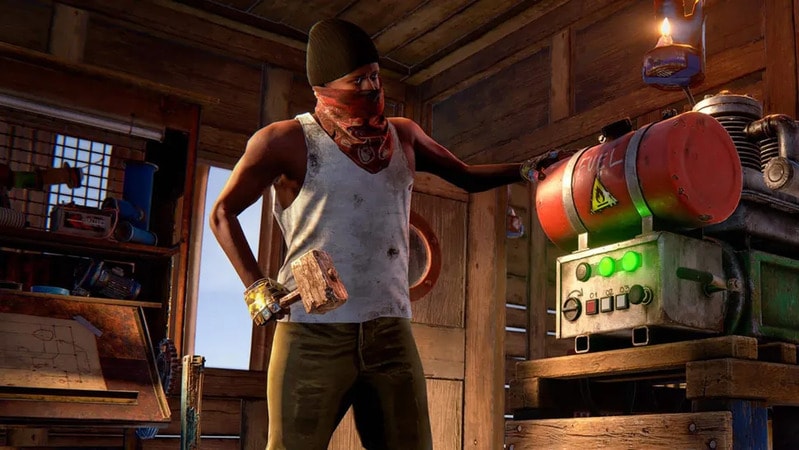
Rust's developer, Facepunch Studios, released a naval update introducing player-built seafaring boats, featuring modular hull pieces, steering wheels, anchors, sails and engines designed to let survivors craft floating bases. The update rolled out a Deep Sea zone accessed at map edges and optional mechanics like a plank meant to settle minor disputes between players.
The new building kit mirrors land architecture with locks for steering wheels, deployable compatibility, a functional anchor and a cannon for ship combat; scientists now pilot ghost ships and PT boats equipped with heavy armaments. Five missions and a first-person building view were added alongside the naval parts to extend progression for solo and group players.
For players, floating bases change exploration and PvP dynamics by shifting raids and resource runs to water, offering emergent social moments tied to sea travel. The Deep Sea’s limited-access, no-respawn design makes pirate loot high-risk, while boat locks and anchors help protect solo builders and small crews during nautical play.
Image Credit: Facepunch
What's Driving This Trend
- Modular Seafaring Structures
- The integration of modular components for player-built boats signifies a move towards customizable and adaptive floating bases in gaming environments.
- Expanded Nautical Gameplay
- Introducing a variety of naval mechanics and missions transforms the traditional gameplay experience by prioritizing marine exploration and combat scenarios.
- Risk-reward Naval Exploration
- With high-risk, no-respawn zones like the Deep Sea, games offer heightened tension and strategic planning opportunities for players engaging in resource gathering.
Who This Affects Most
- Video Game Development
- Developers are increasingly adding complex nautical elements to games, presenting opportunities to deepen player immersion through maritime themes.
- Online Multiplayer Gaming
- The push towards naval-centric interactions enhances multiplayer dynamics, driving demand for cooperative play and strategic alliance formations.
- Digital Architecture Tools
- The demand for innovative building mechanics enables growth in digital tools that support player-driven construction and creativity in virtual spaces.