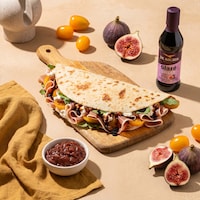
Di Marco, the Rome-based family company credited with inventing modern pinsa, is building on the momentum of the first-ever National Pinsa Day in the United States. The company returned to the Summer Fancy Food Show in New York to expand awareness and distribution of its Original Roman Pinsa.
Di Marco's distinctive product represents a centuries-old Roman baking tradition. Its modern pinsa is crafted from a unique blend of flours with approximately 80% hydration and a signature long-fermentation process that creates an exceptionally light, airy, and crisp base that distinguishes it from traditional pizza.
The inaugural National Pinsa Day, officially established through the National Day Archives, featured various activations. They included a dedicated pinsa kiosk at Eataly Flatiron, branded centurions and a Roman lectica traveling through New York City, and an exclusive kickoff event at the House of Made in Italy that celebrated the product's growing role in modern Italian gastronomy.
Image Credit: Di Marco
Key Themes Behind This Trend
- Heritage Food Holidays
- Branded national food days turn regional culinary formats into recurring cultural moments that support awareness, trial, and retail expansion.
- Premium Pizza Alternatives
- Light, long-fermented bases create space for differentiated products that compete with pizza through texture, digestibility, and artisan positioning.
- Experiential Food Launches
- Immersive city activations and theatrical branding give specialty foods a stronger public identity beyond conventional sampling campaigns.
Where This Applies
- Specialty Food
- Imported artisanal products can gain traction through storytelling that connects provenance, craft, and modern eating preferences.
- Foodservice
- Restaurants and gourmet markets benefit from novel base formats that expand menu variety while preserving familiar usage occasions.
- Consumer Events
- Culinary celebrations with branded installations and cultural references create new sponsorship and engagement models for food brands.