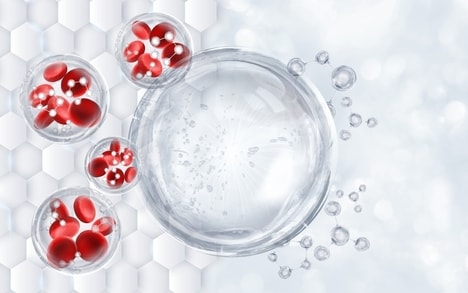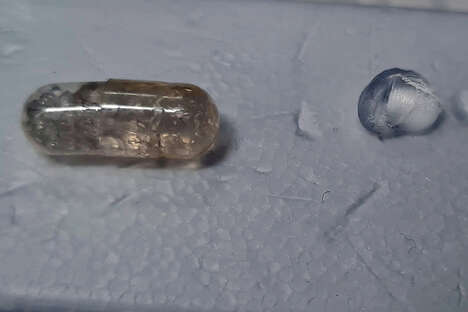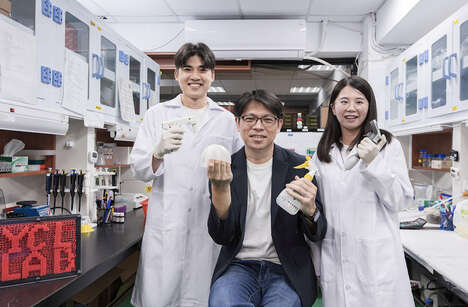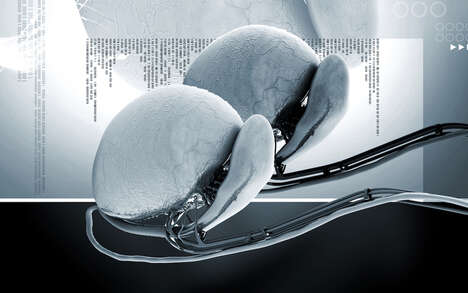
Professor Hiromi Sakai and her team are working at the Nara Medical University to develop hemoglobin vesicles, which are small capsules that hold purified hemoglobin collected from expired donor blood. These are meant to mimic the oxygen-carrying functions from red blood cells and are developed to be compatible with any blood type.
This way, it reduces the need to find the correct match during transfusions and broadens the scope. The HbVs can be safely stored at room temperature for up to two years. Currently, clinical trials are in works in Japan and researchers have been administering doses that range from 100 to 400 mg to healthy volunteers. It is being called 'Deoxy-HbV' -- the goal is to remain shelf-stable for 2 years.
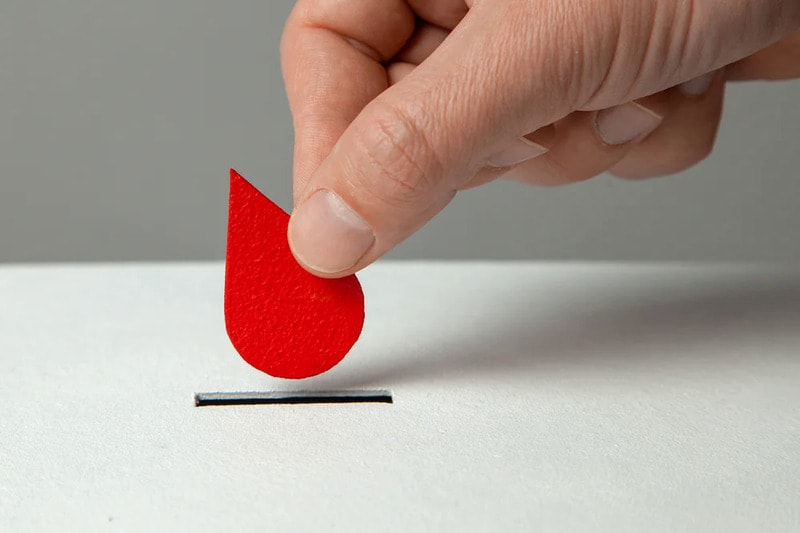
Image Credit: Dragan Andrii | Dreamstime.com
What's Driving This Trend
- Universal Blood Solutions
- The development of HbVs highlights the trend towards universal blood solutions, potentially transforming blood transfusion practices by eliminating the need for blood type matching.
- Extended Shelf-life Bioproducts
- This innovation showcases a trend towards creating bioproducts with extended shelf-life, allowing for easier storage and potentially reducing healthcare logistical costs.
- Synthetic Blood Advancements
- The creation of hemoglobin vesicles marks a significant step in synthetic blood advancements, opening new possibilities in medical treatments and emergency care.
Who This Affects Most
- Medical Technology
- The development of universal artificial blood underscores significant potential for disruption within the medical technology industry, particularly in surgical and trauma care.
- Biotechnology
- As biotechnology evolves with innovations like HbVs, the industry stands at the forefront of crafting novel, life-saving solutions that go beyond traditional biological limitations.
- Healthcare Logistics
- The shelf-stable nature of HbVs introduces disruptive innovation opportunities in healthcare logistics, aiming to streamline blood supply management and reduce waste.