Smelody built its first perfumes around a cap that plays music when the bottle opens, giving gift shoppers scent and sound in the same moment. The Grasse startup pairs eight fragrances with classical pieces, making the audio excerpt part of the product instead of a separate extra.
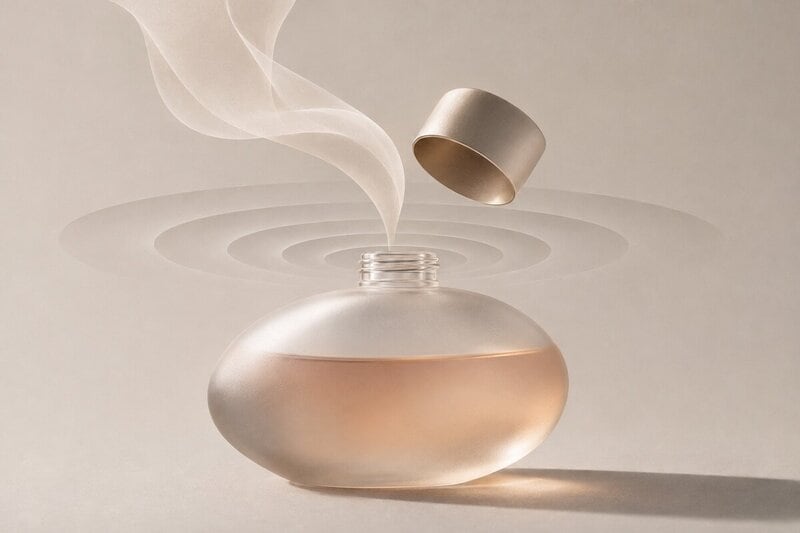
A light-sensitive cell starts the sound from inside the cap, so the bottle works without a phone or external device. Smelody fit that hardware into a thick-glass 10 ml bottle with a matte body and piano-key-like cap, and sells each one only on its website for EUR 49.
Website-only sales and a EUR 49 single-bottle price turn the line into a direct gift buy rather than only a collector purchase. The built-in audio also shifts perfume packaging closer to multisensation by putting the sound feature in the object itself.
Image Credit: AI-generated
Why This Trend Is Growing
- Multisensory Packaging
- Embedded sound, light, and tactile elements are turning product containers into experiential interfaces that can differentiate gifts and premium goods beyond visual design.
- Device-free Interactivity
- Self-contained sensors and micro-hardware create opportunities for connected-style experiences without apps, phones, or external accessories.
- Audio-enhanced Gifting
- Pairing music with physical products adds emotional context to small-format purchases, expanding how brands can make affordable items feel more personal and memorable.
Industries Being Reshaped
- Fragrance
- Perfume brands can use integrated sensory features to transform bottles into immersive brand objects that strengthen storytelling at the moment of use.
- Packaging
- Smart caps, closures, and containers point to new value streams where packaging carries entertainment, personalization, or authentication functions.
- E-commerce
- Direct-to-consumer launches gain novelty through web-exclusive experiential products that rely on built-in product features rather than retail demonstrations.
Featured Reports

The Smaller Celebration Economy
The Death of Nuance