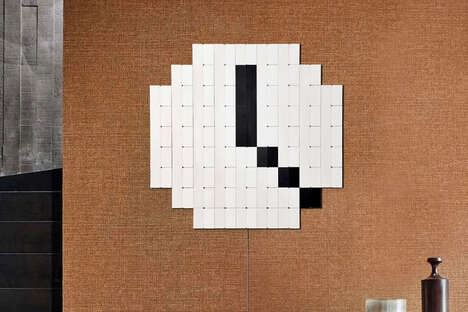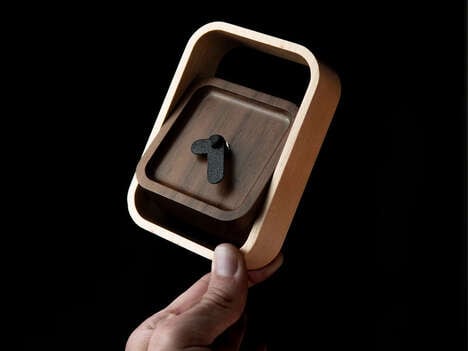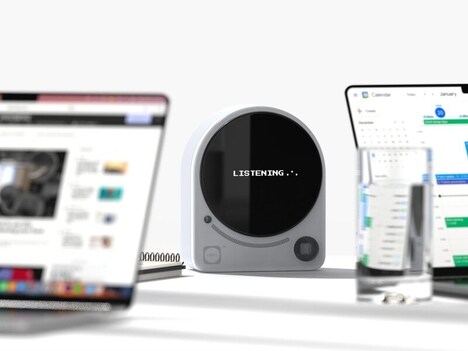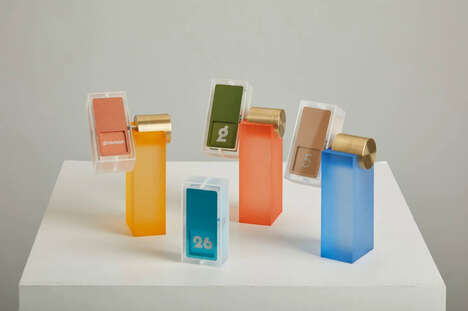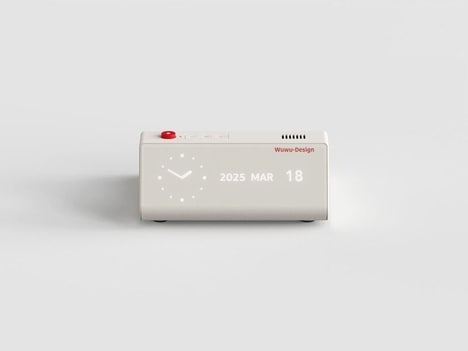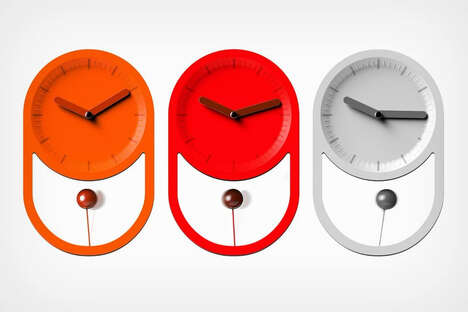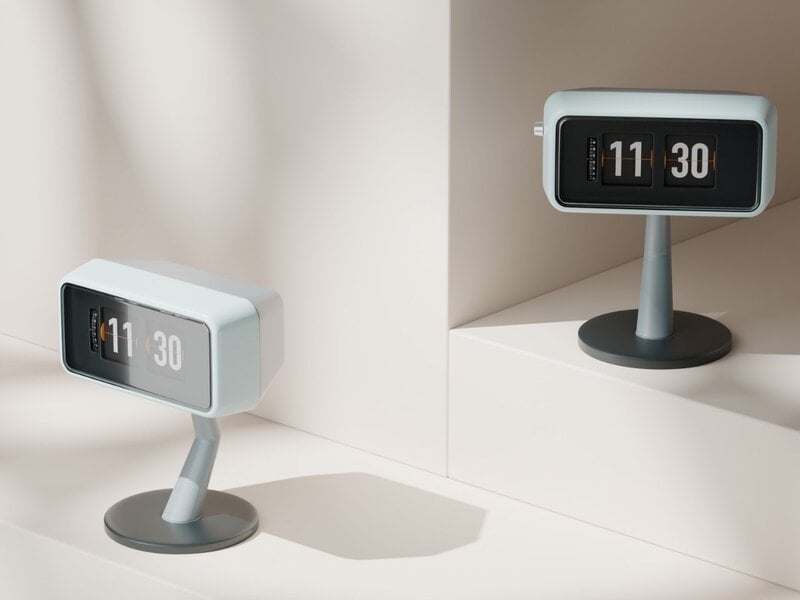
The Minimalist flip clock concept brings retro charm for modern desks by reinterpreting the classic Hitachi DW221 in softer tones and simplified proportions for contemporary spaces. The design preserves the mechanical flip mechanism and bright orange digits of its 1970s predecessor while updating the case with a smooth rectangular profile and rounded corners. Rendered with pastel accents and subtle textures, the concept captures a tactile quality that blends naturally into modern work environments.
The pared-down casing reduces visual bulk, making it suitable for compact desks or shelves while still maintaining presence. Flip cards rotate rhythmically to track passing minutes, offering a sense of analog engagement absent in digital displays. By combining nostalgic character with minimal form, the concept aims to provide both functionality and decorative value. It demonstrates how retro inspirations can be revived in ways that feel fresh, understated, and well-suited to contemporary lifestyles.
Image Credit: Aleksan Shepele
Why This Trend Is Growing
- Nostalgic Minimalism
- Integrating nostalgic elements with minimalist designs creates products that resonate with modern consumers seeking a blend of classic appeal and contemporary simplicity.
- Analog Engagement
- The revival of mechanical features in modern gadgets reflects a trend towards analog engagement, which offers a tactile and visually dynamic experience that digital counterparts lack.
- Pastel Aesthetic Revival
- The use of pastel colors in product design signifies a shift towards softer, visually soothing aesthetics that complement modern interior styling.
Industries Being Reshaped
- Home Decor
- The fusion of retro designs with modern aesthetics in home decor provides opportunities for creating items that appeal to consumers' desire for unique and personalized living spaces.
- Consumer Electronics
- Incorporating retro elements into consumer electronics designs can attract a niche market interested in technology that offers both functional utility and nostalgic visual charm.
- Office Furnishings
- The trend of integrating vintage-inspired designs into office furnishings addresses the growing demand for workspaces that are not just functional, but also aesthetically pleasing and harmonious.