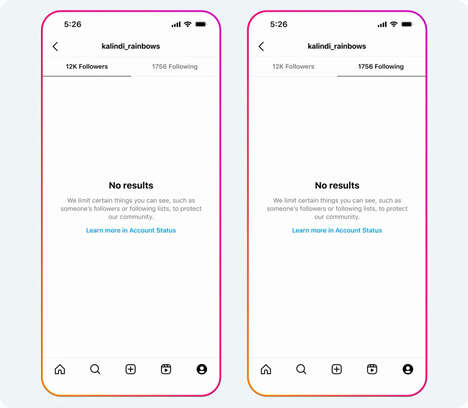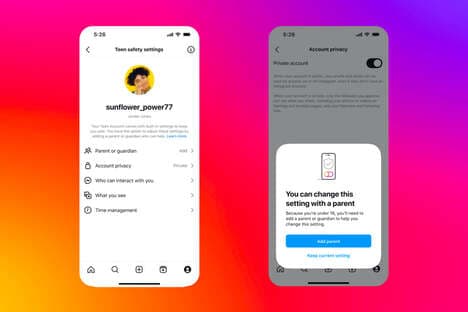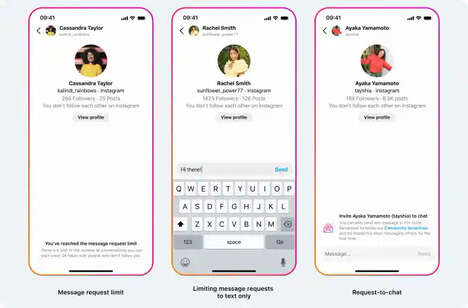

Instagram has allowed the Center for Open Science (COS) to conduct mental health research on teens and young adults and analyze its data to study the platform's impact. Researchers will use Instagram's data for six months. The data could contain details regarding the number of accounts teenagers follow, their usage habits on Instagram, account configurations, and other information. However, the researchers will not have access to demographic data or the specific content of posts, comments, and messages.
COS will select up to seven research proposals in various areas related to teens' mental health. Meta will not be involved in the selection process. Additionally, researchers must recruit teen participants and obtain their parents' permission for the study.
The studies must fall under the following categories: Strength Comparisons, National or Regional Comparisons, and Social, Cultural, and Contextual Understanding and Explanations of observed associations.
Image Credit: COS
What's Driving This Trend
- Data-driven Mental Health Insights
- Analyzing social media engagement patterns to understand mental health impacts provides a novel approach to mental health research.
- Ethical Data Sharing
- Collaborations between social media platforms and research institutes highlight the potential for ethical utilization of user data for scientific studies.
- Targeted Teen Wellness Programs
- Focusing on specific usage habits and behavior on social media can inform highly targeted and effective mental health interventions for adolescents.
Who This Affects Most
- Mental Health Research
- Innovative methods involving real-world user data from social media platforms are redefining traditional mental health studies.
- Social Media Analytics
- The integration of mental health research with social media analytics presents new opportunities for developing mental well-being tools.
- Teen Health Services
- Understanding social media behavior allows for the design of specialized health programs catered to teens' unique needs and challenges.