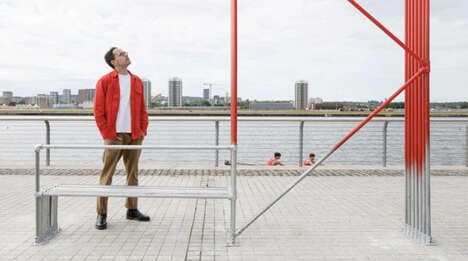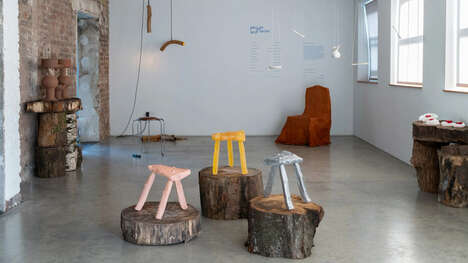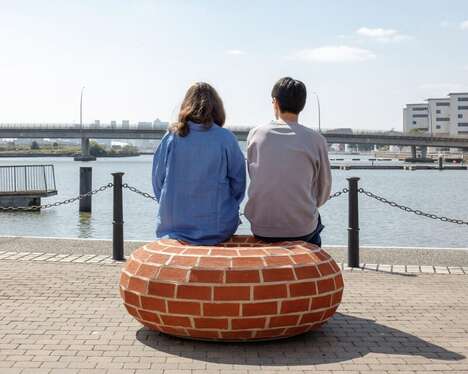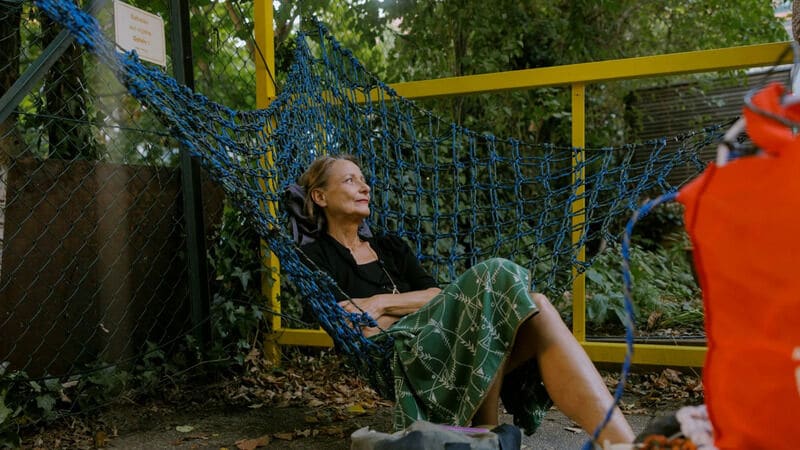
Students at the University of Applied Arts won the Vienna Design Week Social Design Award with the Membran collective. It is a part of the Urban Networks project and means to involve local citizens to participate as a part of the design of their urban spaces using the city's own waste materials. The collective features discarded tarps that are collected from construction sites to be reused.
Teller explains the process to Dezeen, stating "We're here every day for three hours and lots of people come and join. A few minutes ago, a guy who was here three days ago came and he brought his friend so they could try it together. Some stay for two or three hours because they really like the process. We also have some connections with the bus drivers. This is their final stop so they always stop by and invite us for coffee."
Image Credit: University of Applied Arts
What Makes This Trend Stand Out
- Community-driven Design
- The Membran collective's involvement of local citizens in designing their urban spaces using waste materials presents an opportunity for community-driven design.
- Sustainable Reuse
- By collecting discarded tarps from construction sites and repurposing them for public seating, the Membran collective showcases the potential for sustainable reuse.
- Participatory Urbanism
- The Urban Networks project encourages citizens to actively participate in the design of their urban spaces, opening doors for participatory urbanism.
Sectors Adopting This
- Architecture
- The innovative use of waste tarps as public seating by the Membran collective introduces an opportunity for disruptive innovation in the architecture industry.
- Sustainability
- The practice of repurposing waste materials like tarps for public seating aligns with the sustainability industry's focus on reducing environmental impact and presents potential disruptive innovations.
- Urban Planning
- The engagement of local citizens in designing their urban spaces through the Urban Networks project creates avenues for disruptive innovation in the field of urban planning.