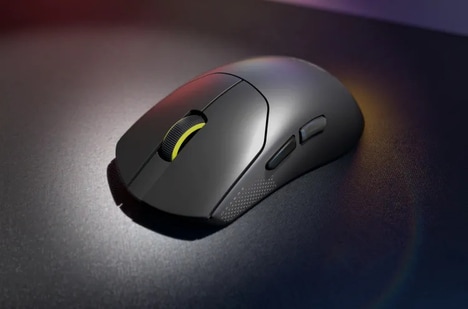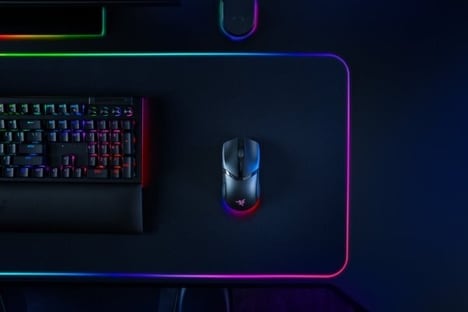

The Mchose L7 Pro+ is an ultralight wireless gaming mouse introduced by Mchose, designed for competitive players and featuring a PixArt PAW3395 sensor and a measured weight of about 43 g. It launched as a budget-focused option that still includes Bluetooth, 2.4 GHz wireless and USB-C wired connectivity, with an underside DPI button and PTFE feet included.
The mouse pairs a low mass shell with configurable firmware and strong software support, offering both browser-based and local apps to tweak polling rate, lift-off distance, debounce time and an unusual Performance/Gaming/Extreme sensor FPS mode. Physical specs list up to 26,000 DPI, Omron or Kailh optical switches, and estimated battery life around 70+ hours at 1 kHz.
For consumers this mattered because it delivered near-high-end tracking and customizable tuning at a $60 price point, making ultralight, competitive shapes accessible to budget buyers. The combination of lightweight build and deep software controls aligns with a trend toward value-focused esports gear that prioritizes performance over brand premium.
Image Credit: Mchose
What's Driving This Trend
- Ultralight Hardware Democratization
- A shift toward sub-50 g competitive peripherals at budget price points that enables high-performance designs to reach mainstream gamers.
- Hybrid Wireless Connectivity
- Increasing adoption of multi-mode connection options (Bluetooth, 2.4 GHz, USB-C) that blend low-latency performance with cross-device flexibility.
- Software-driven Customization
- Richer firmware and cloud/browser-based tuning tools that permit granular sensor, debounce and power profiles typically reserved for premium models.
Who This Affects Most
- Esports Peripherals
- Competitive accessories that prioritize weight, sensor fidelity and customizable profiles present opportunities to redefine pro-level equipment affordability.
- Consumer Electronics Manufacturing
- Lightweight materials and streamlined internals create possibilities for cost-efficient production of high-performance, low-mass devices.
- Gaming Software and Services
- Cloud-backed configuration, telemetry and community-shared profiles open avenues for ecosystems that monetize personalized device tuning and analytics.