The people who work for Maptia blog have searched for words that typically cannot be translated into English, and then they have made these words attainable.
In many different languages there are words that do not exist in English. When attempting to learn another language, it can be difficult to try and wrap your head around these sayings.
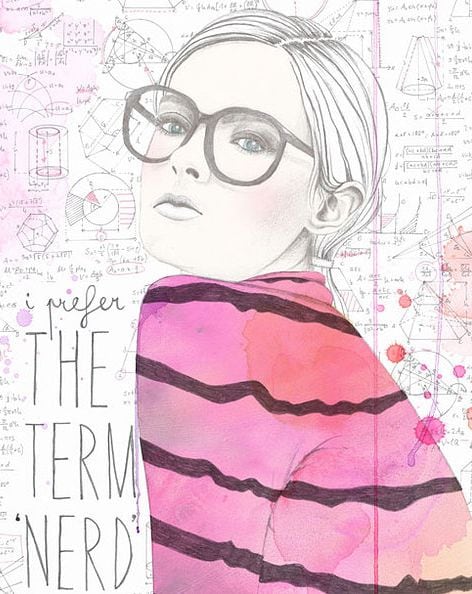
This blog has translated these words into loose interpretations, and they have also included a cute illustration. This sketch helps to draw the comparison between the words. They have translated words from Indonesia, France, Italy and Germany.
The way that Maptia blog has set up these translations has made the language barrier becomes smaller, and by including an illustration that accompanies the language, it feels as though these sayings have become attainable.
Key Themes Behind This Trend
- Untranslatable Word Illustrations
- Creating visual representations of untranslatable words helps to bridge the language barrier and make them more accessible.
- Cultural Exchange Platforms
- Online platforms that enable people to exchange cultural experiences and language can help individuals become more fluent in foreign languages.
- Multilingual Chatbots
- The use of chatbots that can speak multiple languages can help individuals overcome language barriers in various industries, such as customer service and healthcare.
Where This Applies
- Language Learning
- Language learning apps and online courses can utilize untranslatable words illustrations as a tool to teach foreign languages to learners.
- Digital Content Creation
- Digital content creators can leverage the concept of untranslatable words and create visual assets such as infographics, social media posts, and videos to captivate their audience.
- Translation Services
- Translation services that utilize visual aids such as illustrations and videos can better convey the meanings of untranslatable words to their clients.